Youngest Black professor at Cambridge found dead after resigning amid plagiarism scandal
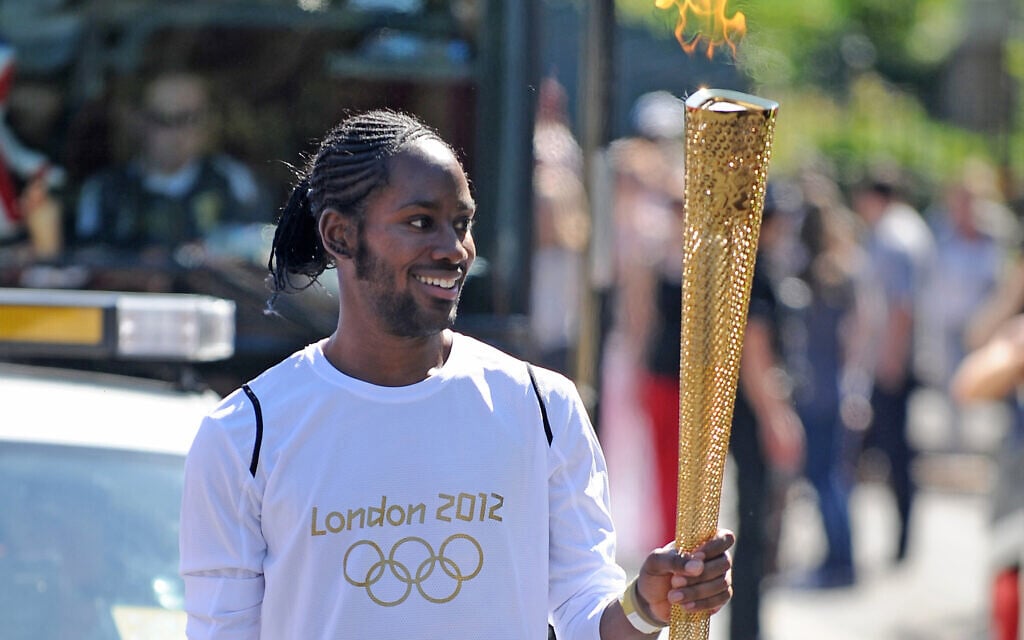
LONDON (AP) — A British sociologist who resigned last week from the University of Cambridge following weeks of public accusations of plagiarism and media scrutiny was found dead Friday.
Jason Arday, who was 37 when he became Cambridge’s youngest Black professor in 2023, resigned after he came under intense media pressure, with weeks of allegations about plagiarism in his academic work and questions surrounding claims about his athletic and fundraising accomplishments.

The Times and Telegraph newspapers, along with the BBC and Sky News, reported that Arday, 41, was found “unresponsive” inside a home in Battersea, south London, on Friday afternoon.
News of his death comes the same week as the release of his memoir, “Great and Unfortunate Things,” a highly anticipated work that Simon & Schuster had decided to release despite the doubts about his credibility. In a statement issued through his publisher, Arday’s family said that they were “in shock to have lost this amazing father, partner, brother, uncle and son.”
“The campaign of misinformation was too much for Jason, who was a gentle man and who always wanted to see the best in everyone,” the family said, adding that for three years Arday was “subjected to a campaign of sustained abuse … by those who would leave no stone unturned in their quest to undermine him.”
The Metropolitan Police said only that a 41-year-old man was pronounced dead in Battersea, without naming the man, in accordance with its policy.
“At this time his death is being treated as unexpected, but is not believed to be suspicious,” the police statement said.
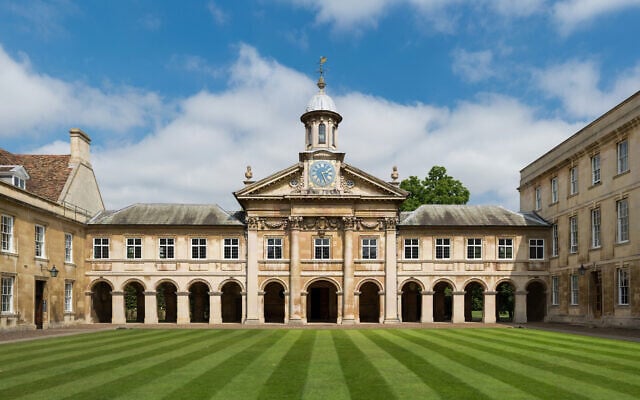
Cambridge Vice-chancellor Deborah Prentice, who earlier announced that the university will investigate the circumstances around Arday’s employment, said she was “desperately saddened” by the news.
“Our heartfelt sympathies go to Jason Arday’s family and friends at this incredibly difficult time,” she said.
In resigning as professor of sociology of education, Arday wrote in a statement that “the relentless accusations, speculation and public commentary have taken a profound toll on me and on those I love.”
He said his stepping down should not “be mistaken for an acceptance of the narratives that have surrounded me.” He has denied plagiarism, but admitted to some mistakes when working on his doctorate.
Supporters, including more than two dozen academics and politicians, had described the plagiarism allegations as a “smear campaign” designed to undermine Arday and other Black people who hold “positions of influence.”
Arday’s appointment at Cambridge highlighted his personal story of overcoming dyslexia, developmental delays and autism that he said left him non-verbal until the age of 11 and illiterate until his late teens.
In his memoir, Arday wrote of himself as born to achieve and born to struggle. He remembered a family “legend” that the 1980s hit “Everybody Wants to Rule the World” was on the radio at the time of his birth. He described how a midwife noted his long fingers and told his mother that it was a sign he was meant for greatness. In his early 20s, he recalled, he was on a relief mission in Brazil when an aid worker placed a hand on his arm and also predicted an extraordinary life.
“But I also believe you’re destined for very sad and difficult things as well,” she warned him.
Questions about Arday’s qualifications were raised publicly last month by Nathan Cofnas, a one-time Cambridge philosophy researcher who left the university after his critique of diversity, equity and inclusion programs sparked widespread protests.
On July 24, the Times of London published an analysis of Arday’s 2015 PhD thesis highlighting what it said were multiple examples of passages that were “identical or near-identical” to an earlier paper written by another researcher.
British media also raised questions about Arday’s claims that he had raised 5.5 million pounds ($7.4 million) for charity through feats such as running 30 marathons in 35 days and 600 miles in six days.

Dozens of Cambridge academics had signed a letter calling for an independent inquiry into how Arday was appointed. Cambridge initially stood by Arday, saying that the plagiarism allegations had been investigated by Liverpool John Moores University, which awarded Arday’s doctorate.
The university then changed its stance and said it opened an investigation “following new information about Professor Arday’s qualifications and honorary appointments.”
Prentice, the university’s vice-chancellor, said this week that Cambridge will run a review of its hiring processes. She stressed that “our staff of color are highly valued, for their scholarship, their achievements and the contributions they make to the institution and the wider academic community.”
“This particular case is an aberration and should not be used to cast aspersions on their work or the legitimacy of their roles at Cambridge,” she said Thursday.

As a multimedia journalist, my job is to take the quality, fact-based journalism produced by The Times of Israel newsroom and make it accessible across every platform — from Instagram posts to podcasts to short-form videos.
This is how many, especially young people, consume news these days. But misinformation is rampant on social media. Our team at ToI produces accurate, responsible short-form reporting on Israel and the Jewish world.
If you believe in the importance of factual social media journalism, please consider joining our reader support group, The Times of Israel Community. Your financial support is essential to sustain responsible multimedia reporting.
— Gabriella Jacobs, multimedia journalist

We’re really pleased that you’ve read X Times of Israel articles in the past month.
That’s why we started the Times of Israel – to provide discerning readers like you with must-read coverage of Israel and the Jewish world.
So now we have a request. Unlike other news outlets, we haven’t put up a paywall. But as the journalism we do is costly, we invite readers for whom The Times of Israel has become important to help support our work by joining The Times of Israel Community.
For as little as $6 a month you can help support our quality journalism while enjoying The Times of Israel AD-FREE, as well as accessing exclusive content available only to Times of Israel Community members.
Thank you, David Horovitz, Founding Editor of The Times of Israel









Jason Arday, Cambridge University's youngest Black professor, was found dead on Friday after resigning amid a plagiarism scandal and intense media scrutiny. Arday, 41, had faced weeks of allegations concerning plagiarism in his academic work and questions regarding his athletic and fundraising claims. His family stated, "The campaign of misinformation was too much for Jason, who was a gentle man." While denying plagiarism, Arday admitted to some mistakes in his doctoral work, attributing his resignation to the "relentless accusations, speculation and public commentary." Cambridge University has launched an investigation into the circumstances surrounding his employment and a review of its hiring processes.
© All rights to the original article belong to the source. Din Online shows a headline, an excerpt and a link only. The objectivity rating is computed automatically and is an estimate only.
Discussion
No comments yet — be the first to comment.