Bardugo's Ascent: More Than Just a TV Personality
The Bardugo Enigma: A Political-Media Crosscurrent
In the cacophony of Israeli news cycles, few names cut through the noise quite like Yaakov Bardugo's, whose recent prominence has made him one of the most-searched figures on Google in Israel this week, registering over 10,000 searches. But Bardugo isn't just a talking head; he represents a potent blend of media influence and political aspiration, a phenomenon increasingly shaping public discourse. As television ratings shift and political alliances are forged, Bardugo's trajectory offers a fascinating lens into the current state of Israel's polarized society.
While the focus on media personalities often centers on their on-screen performance, Bardugo's story delves deeper, touching upon the very fabric of Israeli politics and the Likud party's internal dynamics. His visibility, both as a commentator and a potential political player, underscores the blurred lines between journalism and partisan advocacy in contemporary Israel.

The Shifting Sands of Israeli Television
The Israeli media landscape is a battleground, with ratings dictating relevance and influence. Recent figures reveal a significant shake-up in the highly coveted 7 PM slot, a crucial time for news and current affairs. While Channel 12's Gideon Oko dominated with 8.1% rating and 238,000 viewers, and Reshet 13's "Ezor Bchira" secured second place with 4.5% and 166,000 viewers, Channel 14's "Sheva" featuring Yehuda Schlesinger and Yaakov Bardugo achieved 3.3% and 110,000 viewers. This placed them ahead of Kan 11's Ayalah Hasson, who saw a "painful slump" to 1.7% and 52,000 viewers. These numbers are more than just statistics; they reflect the audience's gravitation towards specific narratives and commentators, a trend Bardugo seems to capitalize on.
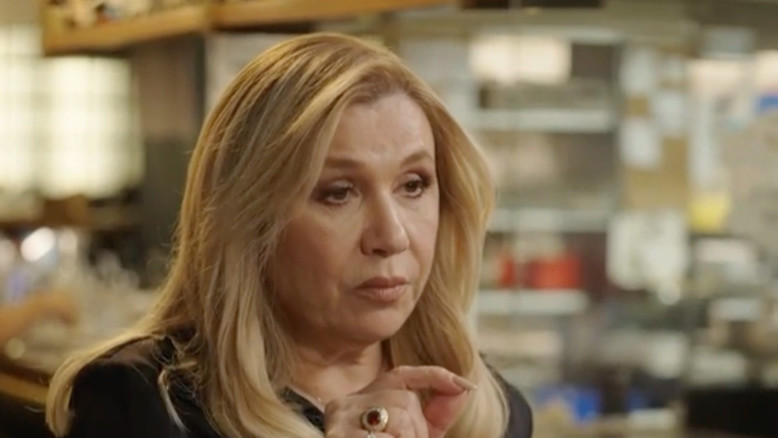
The ratings war is indicative of a broader trend: the fragmentation of the Israeli media market and the rise of niche channels catering to specific ideological bases. Channel 14, often perceived as leaning right, provides a platform for voices like Bardugo's, resonating with a segment of the population that feels underserved by mainstream outlets. This dynamic is crucial for understanding Bardugo's growing reach and impact, allowing him to cultivate a dedicated viewership.
Bardugo's Shadow Over Likud's Future
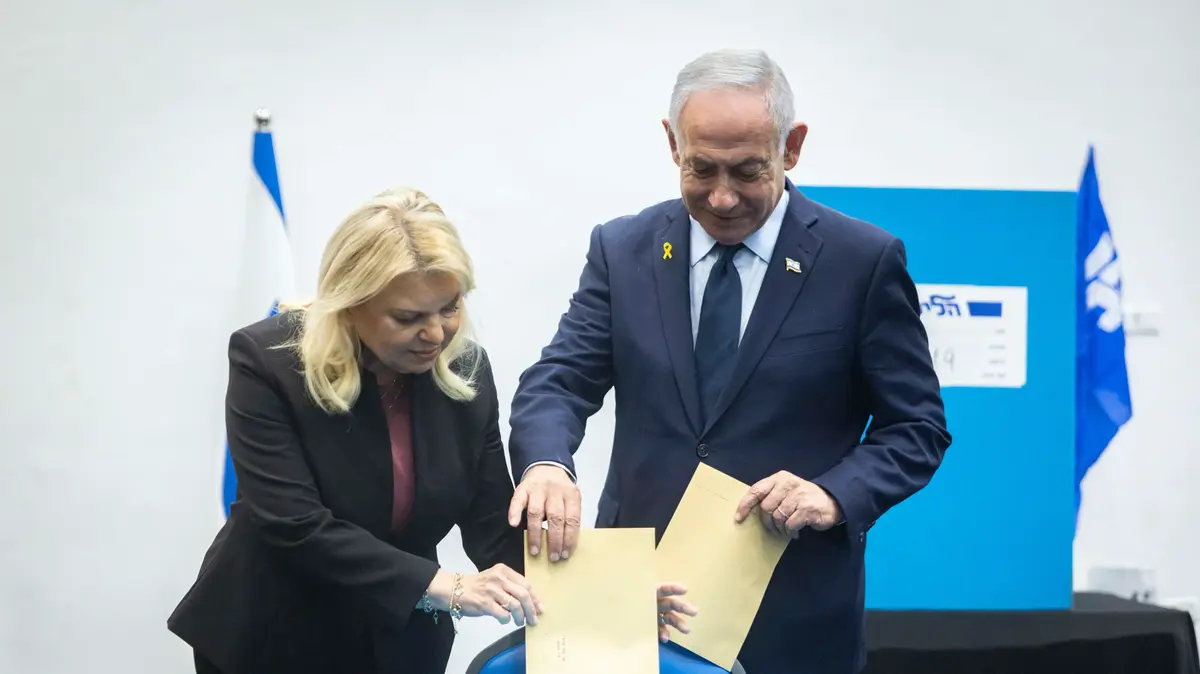
Beyond his media presence, Yaakov Bardugo's name has surfaced in discussions about the Likud party's future, hinting at a potential political career. A recent poll among Likud members and voters, conducted by Dr. Nimrod Nir of the Agam Institute, sought to identify individuals they would want to see appointed to reserved slots. While the full list of candidates isn't public, the very inclusion of Bardugo's name in such a survey is telling. It suggests that he is not merely a media pundit but a figure with significant appeal within the party's base, a potential future Knesset member.
This political aspiration comes at a critical time for Likud. With less than three months until elections, the party is reportedly struggling to find "quality candidates" to join its list, facing a "growing list of rejections." Prime Minister Netanyahu is said to be "searching desperately for quality people for his list." This vacuum, coupled with Bardugo's existing popularity among the Likud faithful, positions him as a potentially valuable asset for the party, especially if he can galvanize support and articulate a clear campaign message. The party's challenge to find compelling new faces could inadvertently open the door for media personalities with strong partisan ties, like Bardugo, to transition into direct political roles.
The Historical Echo: From Media to Mandate
The transition from media personality to political figure is not new in Israel, nor globally. Historically, figures like Menachem Begin utilized media platforms, albeit different ones, to build a loyal following before ascending to the premiership. More recently, we've seen journalists and commentators successfully pivot to politics, leveraging their public recognition and communication skills. Bardugo's potential shift echoes this pattern, illustrating how public trust and recognition cultivated in the media can be converted into political capital.
The incentive for Likud to embrace such figures is clear: they bring established audiences, a ready-made platform for communication, and often, a direct pipeline to a specific ideological segment of the electorate. This bypasses the traditional, often lengthy, process of building a political brand from scratch. However, this also raises important questions about the integrity of journalism and the potential for partisan bias to infiltrate news reporting, blurring the lines between objective analysis and political advocacy. The second-order effect is a further erosion of public trust in media, as viewers become increasingly aware of the political ambitions lurking behind seemingly neutral commentary. This phenomenon is a significant undercurrent in the current Israeli political-media landscape, making media personalities as political assets a crucial dynamic to watch.
Key Takeaways from the Bardugo Phenomenon:
- Yaakov Bardugo's rising profile signifies the increasing influence of partisan media figures in Israeli public discourse.
- Channel 14, where Bardugo is a prominent voice, is successfully carving out a niche audience, particularly in the competitive 7 PM slot.
- Bardugo's appeal extends to the Likud party's base, making him a potential candidate for a reserved slot in the party's Knesset list.
- The struggle of Likud to attract "quality candidates" could pave the way for media personalities to enter politics directly.
- The phenomenon highlights the blurring lines between journalism and political advocacy, with implications for media integrity and public trust.
"The program 'Sheva' with Yehuda Schlesinger and Yaakov Bardugo achieved 3.3% and 110,000 viewers." – Maariv Rating Report
This success indicates a clear resonance with a specific segment of the Israeli populace, solidifying Bardugo's position as a significant voice. The broader implication is that niche media outlets are gaining traction by catering to specific ideological viewpoints, a trend that could further polarize the media landscape.

What to watch next
The immediate future will tell if Yaakov Bardugo makes the leap from influential media personality to active politician. Will Likud, in its quest for "quality candidates" and a robust campaign, officially tap into his popularity? Furthermore, observing the ratings of Channel 14 will provide insight into the continued growth of ideologically aligned media and its impact on the broader media ecosystem. The incentives are clear for both Bardugo, seeking a direct political platform, and Likud, aiming to bolster its ranks with popular figures. This trend of media-to-politics transition is likely to intensify, potentially reshaping the face of Israeli political representation. As the lines between media and politics continue to blur, how will the Israeli public discern objective information from partisan messaging, and what impact will this have on the democratic process itself?

Coverage Sources & References:
- רייטינג: המהפך סביב אילה חסון הושלם בתוך שעות ספורות [מעריב]
- ינון מגל, עמית סגל או בכלל איילת שקד – את מי מתפקדי הליכוד היו רוצים לשריין? [וואלה]
- אף אחד לא בא לו: המועמדים "האיכותיים" שעל הכוונת של נתניהו ממשיכים לסרב [וואלה]
- שתי חתונות ושקרן אחד: לא משכו בדש מעיל נתניהו – שהתריע מפני טרפוד ההסכם עם סעודיה [וואלה]
An original opinion-analysis column by the Din Online desk, based on current coverage from a range of sources. Views expressed are the desk’s own. Some content is produced with automated tools.
Discussion
No comments yet — be the first to comment.