Israel's Urban Renewal: A Reality Check Amidst Shifting Sands

The Shifting Sands of Urban Renewal
In a nation perpetually grappling with housing shortages and the need for infrastructure upgrades, urban renewal projects have long been championed as a panacea. Yet, a palpable shift is underway, transforming these once-unquestioned ventures into complex economic puzzles. The topic, among the most-searched on Google in Israel this week, reflects a widespread public and professional fascination with the future of these ambitious endeavors. What was once seen as an inevitable march of progress is now undergoing a profound reality check, forcing developers, residents, and local authorities to reconsider fundamental assumptions.
The core of this reevaluation stems from a critical change in market dynamics: the cessation of continuous housing price increases. For years, developers could rely on an upward trajectory of property values to offset costs and ensure profitability. Now, with prices stagnating or even declining in some areas, the financial calculus for these projects has been upended. This creates a challenging environment where projects, once deemed viable, are becoming economically unfeasible, leading to delays, renegotiations, and even cancellations. It's a sobering moment for an industry that thrived on a different set of expectations.

The Economic Squeeze on Developers
The data paints a stark picture: new construction starts in urban renewal projects have plummeted by 15% within a single year, more than double the decline seen across the entire market. The Negev region, for example, experienced a staggering 78% drop, though Haifa notably saw an 88% surge, indicating a localized, rather than uniform, impact. This downturn is largely driven by developers finding themselves squeezed from multiple directions. The primary culprit, as noted, is the stabilization of housing prices, which erodes profit margins that were once taken for granted.
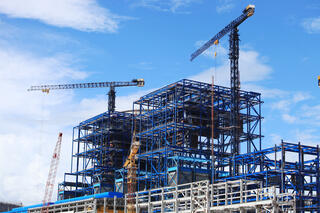
Compounding this is a changing stance from both the Ministry of Finance and the Urban Renewal Authority. Previously unheard-of expressions of concern are now commonplace, signaling a more cautious approach from central government bodies. Moreover, local authorities are increasingly shifting their positions, often demanding more from developers in terms of public amenities or increased levies, further eroding project viability. As one industry expert starkly puts it,
"אף יזם לא יבנה כדי להפסיד" (No developer will build to lose).
This simple truth underscores the fundamental challenge: without a clear path to profitability, projects stall, regardless of their social benefit.
Residents Caught in the Crosscurrents
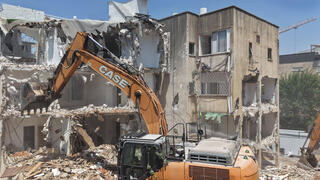
For residents living in buildings slated for renewal, these shifting dynamics translate into uncertainty and frustration. Imagine receiving a permit for demolition and then watching the project halt just moments before execution. This is the new reality for many, as developers, facing unviable economics, seek to reduce promised compensations or simply pull out. Contracts that were once considered sacrosanct are now being opened for renegotiation, or worse, outright cancellation. The dream of a new, modern apartment in place of an aging one can quickly turn into a protracted legal and financial nightmare.
The situation highlights a significant dilemma: how to maintain the economic viability of a project without impacting existing agreements or the promised benefits to residents. This is a crucial area where innovative solutions are desperately needed, perhaps involving new financial models or government incentives that bridge the gap between developer costs and resident expectations. The current model, heavily reliant on ever-increasing property values, is no longer sustainable, requiring a fundamental rethinking of the rules of the game for urban renewal.
A Broader Market Transformation
Beyond urban renewal, the entire residential real estate market is undergoing a significant transformation. For years, property companies could sell apartments with minimal effort, riding the wave of continuous demand and rising prices. That era is over. Today's buyers are more discerning, no longer satisfied with mere slogans. This requires developers to think outside the box in their marketing strategies, focusing on value, quality, and often, a more compelling vision for community and lifestyle. The advertising language is changing, becoming more sophisticated and buyer-centric in a market where consumers hold more power.
This shift isn't just about sales; it reflects a broader societal change. Even political loyalties are being re-examined in the face of economic realities, as evidenced by voters in places like Yokneam Illit where the political landscape is evenly split and traditional allegiances are fraying. The sentiment of being "disillusioned" and the feeling that "the whole country is broken" echo a widespread unease that extends from the ballot box to the housing market. Just as voters are demanding more than promises, homebuyers are seeking tangible value and security in their investments.
Historical Parallels and Incentives
The current predicament in urban renewal bears a striking resemblance to past periods of economic uncertainty where large-scale infrastructure or housing projects faced viability challenges. One might look back at certain public housing initiatives in the mid-20th century where grand plans collided with escalating costs or fluctuating market conditions, leading to significant delays or alterations. The key lesson from history is that such large, multi-stakeholder projects require robust frameworks that can withstand economic fluctuations, rather than being solely dependent on market buoyancy.
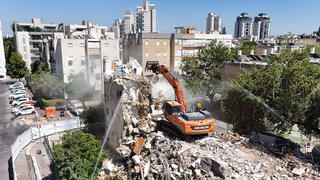
The underlying incentive structure needs re-evaluation. Currently, developers' primary incentive is profit from rising property values. When that's gone, the entire system falters. To truly foster sustainable urban renewal, perhaps new incentives are needed: tax breaks tied to project completion and resident satisfaction, government-backed loan guarantees, or even direct subsidies for public infrastructure components within renewal zones. Without adjusting these incentives, developers will naturally gravitate towards less risky ventures, leaving many renewal projects in limbo. The second-order effect of stalled projects is not just a lack of new housing, but also the perpetuation of dilapidated areas and a loss of public trust in the system, potentially impacting future willingness of residents to engage in such initiatives.
- Economic Viability at Risk: Stagnant housing prices are making many urban renewal projects unprofitable.
- Developer Dilemma: Firms are reducing benefits or halting projects, even after permits are issued.
- Changing Authority Stance: Both national and local government bodies are imposing new demands.
- Buyer's Market: Residential real estate now requires innovative marketing and value propositions.
- Call for New Frameworks: The current system needs fundamental changes to ensure project sustainability.
What to Watch Next
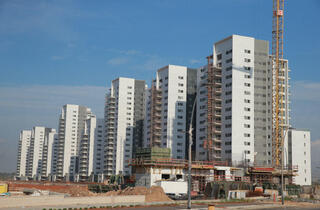
The coming months will be crucial. We can expect continued negotiations and possibly legal challenges over existing contracts. Keep an eye on legislative proposals aimed at streamlining the urban renewal process or offering new incentives to developers. The dialogue between the Ministry of Finance, the Urban Renewal Authority, and local municipalities will intensify, likely leading to new policies or even a recalibration of existing ones. We may also see a greater emphasis on projects in areas like Bat Yam, which, despite the broader slowdown, are described as being in "advanced stages of renewal" and positioned as the "next success story of Gush Dan," highlighting the localized nature of this trend. The long-term implications for Israel's housing supply and urban landscape are profound. Will this "stage of disillusionment" lead to a more robust, resilient framework for urban renewal, or will it simply slow the pace of much-needed development, creating a bigger problem down the line?
Coverage Sources & References:
- סקר מנדטים בחדשות ערוץ 14 – ( ו' תשרי תשפ''ז – 17.9.26 ) [רוטר]
- קיבלו היתר – ועצרו רגע לפני ההריסה: מה קורה למיזמי הפינוי בינוי? [Ynet]
- "ההתחדשות העירונית נכנסת לשלב ההתפכחות" [Ynet]
- "כללי המשחק חייבים להשתנות" [Ynet]
- "הרוכשים כבר לא מסתפקים בסיסמאות" [Ynet]
- בא לשכונה עתיד חדש: אל תפספסו את קפיצת המדרגה של בת ים [Ynet]
- רק 123 קולות הפרידו כאן בין האופוזיציה לקואליציה: "הצבעתי גנץ – ועכשיו רע"מ" [Ynet]
- לפחות לא זקוק לניתוח: משך ההיעדרות של שוער ברצלונה [וואלה]
An original opinion-analysis column by the Din Online desk, based on current coverage from a range of sources. Views expressed are the desk’s own. Some content is produced with automated tools.
Discussion
No comments yet — be the first to comment.