Is the Haredi draft crisis really about the draft?
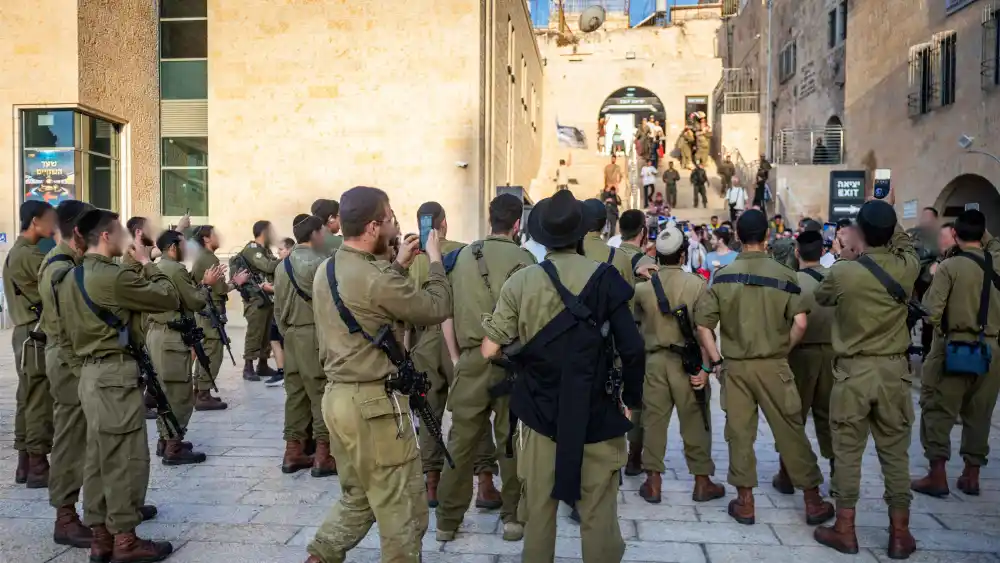
While Israel remains in the midst of war, it is also confronting a serious crisis over Haredi military service. A difficult question is increasingly being asked: Why have so many Haredim become so fiercely opposed to the draft, expressing this opposition in recurring demonstrations and even street blockages?The conventional answer is that Haredim fear losing their Torah-centered way of life. That concern is certainly real. Torah study, religious education and a deeply structured communal lifestyle are central to Haredi identity. But there may be another factor that deserves greater attention: The growing perception that the draft issue has become a political weapon against the Haredi community and the current right-wing government.From the Haredi perspective, the distinction is crucial.If the debate were simply about military service, accommodations and the practical integration of young Haredi men into the IDF, there would be considerably more room for negotiation. But when Haredi leaders and…

The Haredi draft crisis in Israel is increasingly perceived by the Haredi community as an existential threat to their Torah-centered way of life, rather than merely a debate about military service. While concerns about preserving their religious identity are genuine, the article suggests that the issue has become a political weapon, particularly for elements of the Israeli left, to challenge the current right-wing government and reshape Haredi society.
- Haredi leaders view the campaign as an attempt to fundamentally alter their community, triggering a survival instinct and hardening opposition.
- The military is developing frameworks compatible with Haredi religious requirements, such as mehadrin kosher standards and gender-sensitive environments, to demonstrate that service does not necessitate abandoning Torah values.
- The article questions whether all those demanding Haredi enlistment genuinely seek their integration or are using the draft for a broader ideological struggle over the character of Israeli society.
- To foster cooperation, the summary suggests that policymakers should prioritize practical engagement, build trust, and expand accommodating military frameworks, rather than relying on threats and political confrontation.
© All rights to the original article belong to the source. Din Online shows a headline, an excerpt and a link only. The objectivity rating is computed automatically and is an estimate only.
Discussion
No comments yet — be the first to comment.