Israel and Turkey compete for regional hegemony
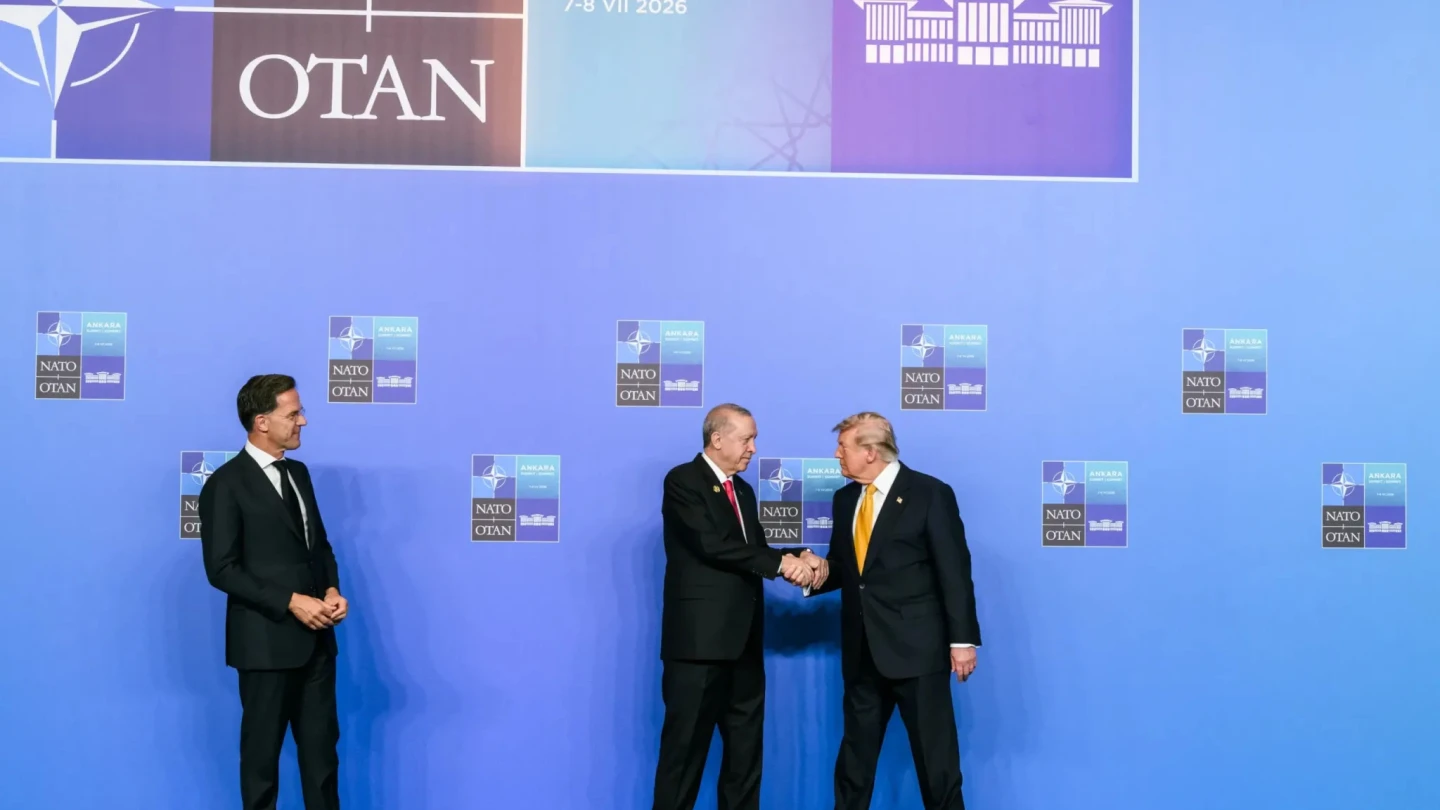
The strategic center of gravity in the Middle East is gradually shifting from the confrontation with Iran to the struggle over the balance of power between Jerusalem and Ankara.

The strategic focus in the Middle East is shifting from Iran to a power struggle between Israel and Turkey, according to senior diplomatic officials. The U.S. is increasingly viewing Turkey as a key regional actor, capable of assuming roles traditionally held by Israel, partly due to President Trump's rapport with Turkish President Erdoğan and a desire for new approaches to regional challenges. Turkey aims to become the leading power in the Sunni world and a dominant influence in the Levant, competing with Saudi Arabia and the UAE.
- Israel is concerned about potential U.S. approval of F-35 sales to Turkey, which it argues would undermine its Qualitative Military Edge. Prime Minister Netanyahu has appealed to Trump to block the sale, and Israel is lobbying Congress.
- Jerusalem views Turkey as its primary strategic competitor, citing its strong military, expanding defense industry, and growing regional influence.
- The rivalry spans multiple arenas, including Turkish support for Hamas, its expanding role in Syria, and competition in the Eastern Mediterranean over energy and security cooperation.
- Despite the intensifying competition, direct military confrontation is not imminent, but both nations are engaged in a long-term strategic contest over the future regional order.
© All rights to the original article belong to the source. Din Online shows a headline, an excerpt and a link only. The objectivity rating is computed automatically and is an estimate only.
Discussion
No comments yet — be the first to comment.