Israeli startup looks to harness AI to decode the ‘language’ of the brain
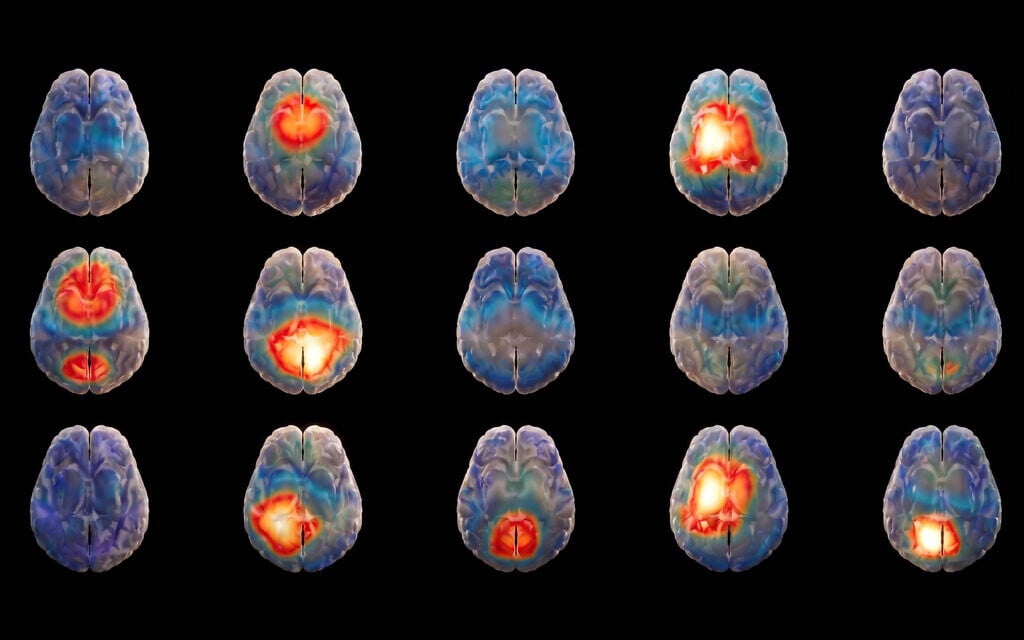
Sharon Wrobel is a tech reporter for The Times of IsraelIf the brain is our most important organ, why do most brain disorders such as depression and post-traumatic stress disorder (PTSD) still rely on subjective diagnosis and treatment based on questionnaires and a taxing trial-and-error process?For over six years, the co-inventor of Apple’s FaceID recognition system and an Israeli-American computational neuroscientist pursued this question as their quest to build an artificial intelligence model, which they say promises to decode and understand the complex language of the brain.After working under the radar, Gidi Littwin and Hagai Lalazar, the co-founders of Hemispheric have now come out with Descartes, which they say will be able to decipher the electrical activity of the human brain to help diagnose neurological and psychological conditions such as depression and PTSD.Speaking to The Times of Israel, Littwin, and Lalazar, respectively CTO and CEO of the Israeli startup, said…
Israeli startup Hemispheric, co-founded by Gidi Littwin and Hagai Lalazar, has developed an AI model called Descartes to decode the brain's electrical activity for diagnosing neurological and psychological conditions like depression and PTSD. The model was trained on over 250,000 hours of non-invasive EEG brain data from 100,000 volunteers, creating the world's largest dataset of its kind. Patients wear a dry EEG headset for 15 minutes while interacting with a gamified app, allowing the AI to interpret brain function.
"The problem that we are coming to solve is really paramount to humanity, which is that our brain is the most complicated organ in our body, the largest disease burden, but we have no quantitative, non-invasive measurement of its function, of its health, and as a neuroscientist — that really bothered me," said Lalazar.
Hemispheric recently raised $52 million to pursue regulatory approvals in the US, Europe, and Israel, and plans to submit its first application for PTSD to the FDA early next year, aiming for a product rollout in late 2027. While promising, experts like Dr. Nirit Lev from Clalit-Meir Medical Center note the need for extensive clinical validation across diverse demographics and acknowledge the inherent limitations of EEG data.
© All rights to the original article belong to the source. Din Online shows a headline, an excerpt and a link only. The objectivity rating is computed automatically and is an estimate only.
Discussion
No comments yet — be the first to comment.