Likud approves Netanyahu’s plan to expand his control over party slate
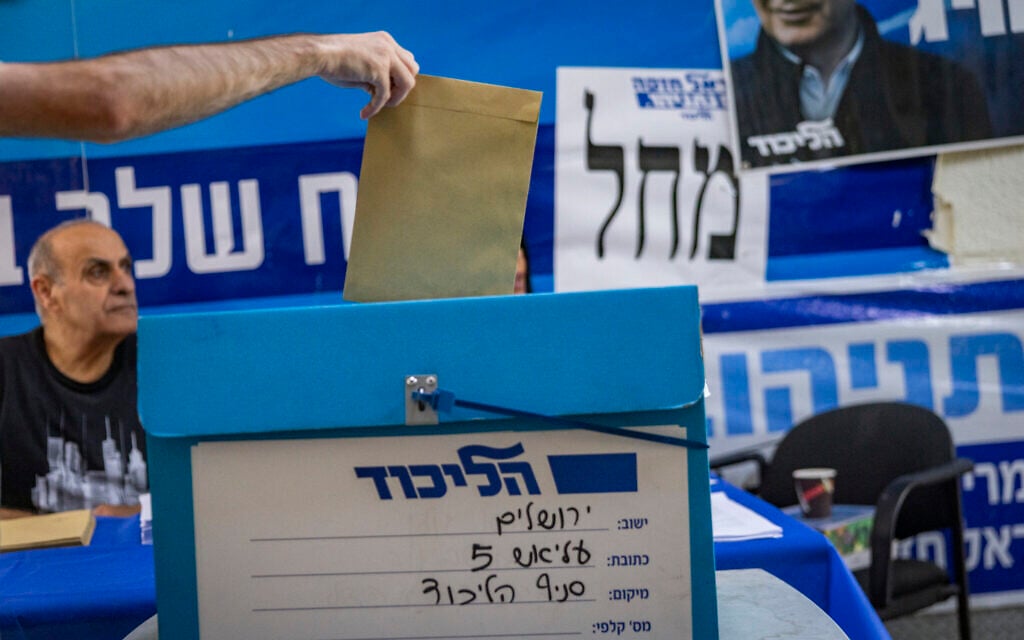
Measure gives Netanyahu unprecedented influence over more than 1/3 of party's realistic slate; lawmakers believe he may give some of his 8 reserved slots in the slate's top 29 to politicians outside of Likud
The Likud Central Committee approved a plan on Monday to grant Prime Minister Benjamin Netanyahu eight reserved slots within the top 29 positions on the party's Knesset slate for the upcoming October 27 election. This decision significantly expands Netanyahu's control over the party list, giving him unprecedented influence over more than a third of the realistic slate. The measure passed despite internal dissent, notably from MK David Bitan, who argued it would displace incumbent lawmakers and potentially elevate candidates less appealing to moderate voters. Concerns also exist that some reserved slots may go to politicians from allied parties, such as Gideon Sa’ar’s New Hope faction or members of Religious Zionism and Otzma Yehudit, to incentivize joint lists and strengthen Netanyahu's coalition prospects. As senior Israel Democracy Institute researcher Assaf Shapira noted regarding a similar 2021 arrangement, "Immediately after the election, his ‘party’ split from Likud and Sofer joined Religious Zionism. It was part of a broader political deal intended to convince Smotrich to run on a joint list with Ben Gvir."
The summary and context on this page were written by the Din Online desk based on the original article; any quotes are from the source. The full article and all rights to it remain with the source. The objectivity rating is computed automatically and is an estimate only.
Discussion
No comments yet — be the first to comment.