Ma'ariv's Pulse: From Political Shifts to Everyday Crises

Israel's Shifting Sands: A Nation Under Scrutiny
In a week where the name Ma'ariv dominated Google searches in Israel, drawing over 2,000 inquiries, it wasn't just about a newspaper; it was about the pulse of a nation. The recent Ma'ariv polls and accompanying headlines offer a kaleidoscopic view of Israel's current state – a complex tapestry woven with political intrigue, security concerns, judicial battles, and the pervasive drumbeat of everyday accidents and violence. This isn't merely news; it's a mirror reflecting Israel's multifaceted reality, a reality often more nuanced than the headlines suggest.
The Political Thermometer: Izencot's Ascent and Coalition's Resilience
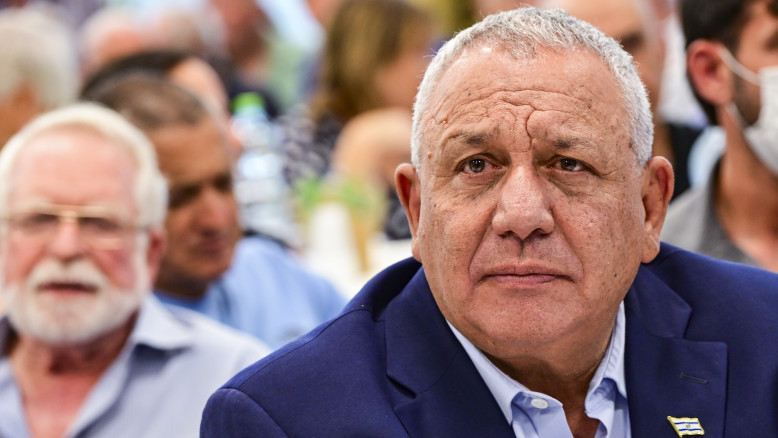
The political landscape, as painted by Ma'ariv's latest survey conducted by Dr. Menachem Lazar, reveals fascinating shifts. While the Likud party shows a continued weakening trend, the 'Yesh Atid' party is reportedly opening a gap, and most notably, Gadi Eisenkot is experiencing a significant surge in popularity, expanding his lead over Prime Minister Netanyahu in suitability for the premiership. One headline boldly declares,

"איזנקוט משאיר 'אבק' לנתניהו" (Izencot leaves 'dust' for Netanyahu).
This rise of Eisenkot, a former IDF Chief of Staff, suggests a public yearning for perceived stability and perhaps a non-ideological leadership in a time of heightened internal and external pressures. Yet, the same poll also indicates a surprising resilience for the current coalition, which, despite Likud's individual dip, sees its bloc grow to 49 mandates against the Zionist opposition's 60. This implies that while individual party strengths may fluctuate, the overall coalition's base, particularly with the strengthening of figures like Ben Gvir and Smotrich, remains formidable, preventing an immediate collapse or an easy path to a 'dramatic' opposition victory.
Beyond the Mandates: The Yair Netanyahu Factor and Judicial Pushback
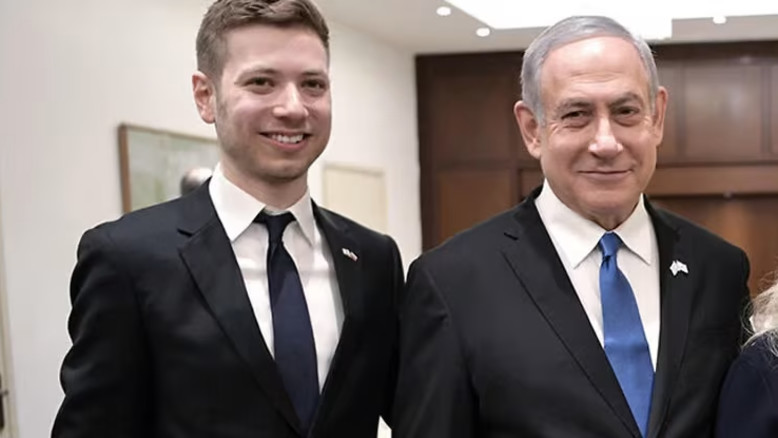
Beyond the raw numbers, the Ma'ariv poll delves into intriguing undercurrents, such as public opinion regarding the potential inclusion of Yair Netanyahu, the Prime Minister's son, on the Likud list. This focus on a personality beyond established political figures highlights a broader phenomenon in Israeli politics: the blurring lines between personal narratives and national governance. It reflects a growing public fascination, and perhaps frustration, with the dynastic elements perceived in leadership. Simultaneously, the headlines reveal significant judicial pushback against government decisions, exemplified by the Supreme Court's unanimous annulment of the decision to close Galei Tzahal (IDF Radio). This isn't just a win for press freedom; it underscores the ongoing constitutional struggle between the judiciary and the executive, a battle for the very soul of Israel's democratic checks and balances that continues to simmer beneath the surface of daily politics.
A Nation on Edge: Security, Diplomacy, and Domestic Woes
The Ma'ariv headlines are not solely preoccupied with internal politics. They paint a picture of Israel's precarious security situation and complex diplomatic engagements. From a terrorist being neutralized after attempting to stab a soldier in Jenin, to a 'rare phenomenon' identified by the IDF on the Golan border where 'Syrians are on the rooftops,' the constant threat of violence and regional instability is palpable. Adding to this, a dramatic warning from Turkey, threatening to "take down a plane like we did to Russia," signals escalating regional tensions and a recalibration of strategic alliances. This intricate web of security challenges is compounded by domestic tragedies – fatal violence in Arab communities (a 31-year-old man killed near Arraba), and numerous traffic accidents (seven injured near Kfar Shmaryahu, three seriously injured near Manoa Junction), and even an unusual development in a death investigation where animal involvement is being probed. These diverse reports collectively illustrate a nation constantly navigating a complex array of threats, both foreign and domestic, often with little separation in the public consciousness.
The Original Layer: Echoes of Early Statehood
What much of the current coverage misses is the historical parallel to Israel's early statehood, a period of immense internal political flux coupled with existential security threats and the grind of daily life. Much like today, early Israeli society grappled with the nascent democratic institutions while simultaneously fending off external adversaries and building a functioning society from scratch. The constant interplay between security, politics, and the judiciary, as seen in the Ma'ariv reports, echoes the foundational struggles of a young state striving for both safety and democratic integrity. The incentive for politicians to focus on short-term gains, or for the public to seek strong, perhaps even charismatic, leadership in turbulent times, is a recurring theme throughout Israeli history. The second-order effect of this perpetual state of high alert and political jostling is a populace that is simultaneously resilient and deeply cynical, often demanding swift action while distrusting the motives behind it. The public's search for 'Ma'ariv' this week wasn't just for news; it was for an understanding of this profound, ongoing national drama.
- Gadi Eisenkot's rising popularity signals a potential shift in public preference for leadership.
- The current coalition demonstrates surprising resilience despite individual party fluctuations, complicating opposition aspirations.
- The Supreme Court's intervention on Galei Tzahal highlights the ongoing judicial-executive power struggle.
- Security threats from Jenin to the Golan, coupled with Turkey's assertive stance, underscore Israel's complex regional challenges.
- Domestic issues, from violence to traffic accidents, remind us of the daily realities beyond grand politics.
What to Watch Next
Keep a close eye on the internal dynamics within the Likud and the broader coalition as they contend with Eisenkot's growing appeal. The ongoing judicial battles, particularly those touching on fundamental democratic principles, will continue to shape Israel's institutional landscape. Regionally, Turkey's posture and any responses from Israel or its allies will be critical. Domestically, the persistent issues of violence and road safety will remain key indicators of social stability. Does Israel's current political volatility indicate a healthy democratic struggle, or a deep-seated instability that could challenge its very foundations?


Coverage Sources & References:
- איזנקוט משאיר "אבק" לנתניהו, אך הקואליציה מתחזקת – ומה עם בנט? | סקר מעריב [וואלה]
- מחר בסקר מנדטים של מעריב: הליכוד נחלש, איזנקוט מקבל בשורת ענק – ויש ממצאים מעניינים על יאיר נתניה [מעריב]
- מנדט אחד ממהפך: איזנקוט מזנק – והאופוזיציה על סף דרמטי | סקר מעריב [מעריב]
- מרחב ג'נין: חוסל מחבל שניסה לדקור לוחם צה"ל [מעריב]
- גבר, אישה ונער כבן 15 נפצעו באורח בינוני בתאונה בין משאית לרכב בצומת מנוחה [מעריב]
- 7 בני אדם נפצעו באורח קל בתאונת דרכים בין 3 כלי רכב סמוך למחלף כפר שמריהו [מעריב]
- גבר בן 31 נהרג באירוע אלימות סמוך לעראבה [מעריב]
- רוכב קורקינט חשמלי נפצע באורח בינוני לאחר שהחליק בראשון לציון [מעריב]
An original opinion-analysis column by the Din Online desk, based on current coverage from a range of sources. Views expressed are the desk’s own. Some content is produced with automated tools.
Discussion
No comments yet — be the first to comment.