On Iran, pressure is not strategy

A recurring error in debates over Iran is treating pressure as a strategy for political change. For years, Washington has relied on sanctions in the belief that financial isolation, declining revenues and social hardship would force Tehran to change course or trigger a crisis the Islamic regime could not contain.
Israel has pursued a parallel logic through military means, seeking to degrade Iran’s nuclear and missile programs, penetrate its security architecture, eliminate senior officials and demonstrate the vulnerability of its most protected institutions.

Both approaches can impose substantial costs: Sanctions reduce resources and constrain international access. Military action can disrupt command structures, destroy strategic assets and puncture Iran’s image of invulnerability. But neither answers the central political question: How does a weakened authoritarian system give way to a viable political alternative?
The 12-Day War clarified that distinction. Israel demonstrated an extraordinary ability to reach senior commanders, nuclear scientists, military sites and strategic infrastructure inside Iran. Yet military achievement does not automatically translate into political transformation.
Many Iranians distinguish between Iran as a nation and the Islamic Republic as the political apparatus governing it. An attack on an Islamic Revolutionary Guard Corps facility does not carry the same political meaning as one that harms civilian neighborhoods or infrastructure essential to daily life.
This distinction creates a strategic opportunity by challenging Tehran’s effort to equate opposition to the Islamic Republic with hostility toward Iran. But it is fragile. As conflict expands, civilian casualties, damaged infrastructure, shortages and insecurity can erase the boundary between targeting the regime and punishing the country. The more ordinary Iranians bear the costs, the easier it becomes for Tehran to portray itself as the defender of national survival.
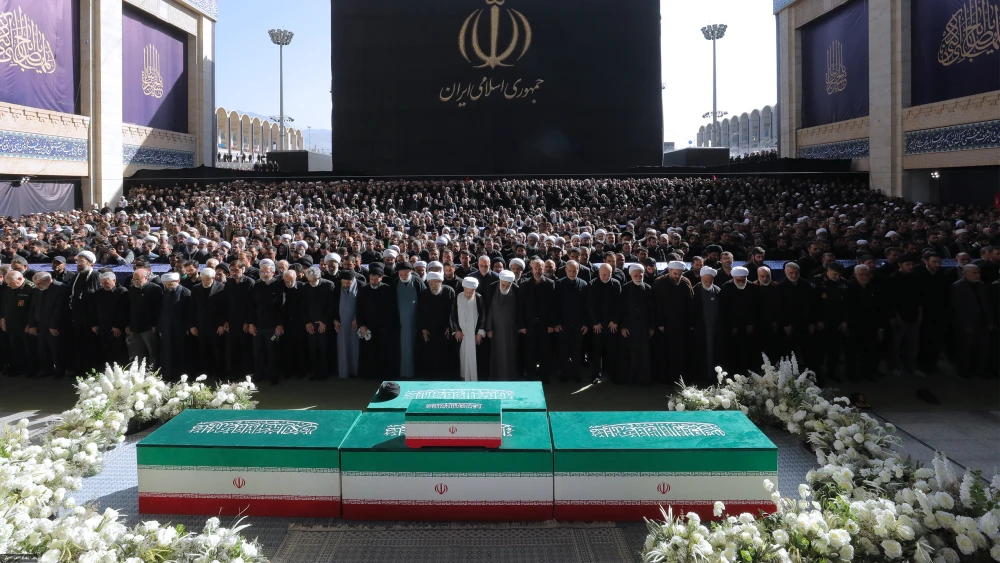
Even the death of Supreme Leader Ali Khamenei did not automatically produce a political transition. Nor would that of his son and successor Mojtaba Khamenei. The Islamic Republic is not simply the extension of one leader. It is an institutional ecosystem of coercion, administration, ideology, wealth and patronage. The Revolutionary Guards, Basij militia, intelligence agencies, judiciary, bureaucracy, religious foundations and regime-linked economic organizations all have an interest in the system’s survival.
Leadership decapitation can disrupt coordination and weaken military effectiveness, but authoritarian systems can adapt. Individuals are replaced, authority redistributed, internal controls strengthened and chains of command reconstructed. The relevant question is not whether senior figures can be removed, but whether the institutions beneath them lose the cohesion required to preserve the system.
Economic pressure faces a similar limitation. Sanctions can reduce state revenue, restrict market access, accelerate capital flight and deepen divisions within the ruling elite. Yet no fixed level of inflation, unemployment, poverty or currency depreciation necessarily triggers an authoritarian government’s collapse. Regimes can survive severe hardship if they retain a cohesive coercive apparatus and enough resources to sustain essential institutions.
This is the problem with much of the current debate. Washington and Jerusalem are devoting enormous attention to the military, financial and technological damage that can be imposed on Tehran, but far less to how accumulated regime weakness might be transformed into an orderly political transition. If the objective is deterrence or containment, degrading the Islamic Republic’s capabilities may be sufficient. If the objective is political change, success must be measured by whether a credible alternative can replace it.
Foreign powers can contribute to that process, but they cannot substitute for Iranian political agency. Israel can destroy missile infrastructure and disrupt command networks, but it cannot create domestic legitimacy for a future Iranian government. The United States can isolate officials, freeze assets, restrict financial networks and shape the international environment. It cannot manufacture a national political movement from abroad. A post-Islamic Republic order must ultimately be built by Iranians.
The character of external pressure is therefore as important as its intensity. Operations directed at institutions responsible for repression, nuclear development, missile warfare and regional aggression can preserve the distinction between Iran and the political system ruling it. A campaign that damages civilian infrastructure and essential services risks destroying that distinction. If ordinary Iranians begin to regard themselves rather than the regime as the targets of external pressure, Tehran’s narrative gains credibility.
Military and economic measures must therefore be connected to a political strategy. Sanctions should constrain resources used for repression and regional destabilization while minimizing damage to the economic foundations Iran will need for reconstruction. Military operations should remain focused on institutions connected to coercion and aggression, while access to independent information and communication should be protected during periods of instability.
Equally important, officials, military personnel, technocrats and members of the security establishment considering departure from the regime need credible assurances that transition does not mean institutional annihilation, collective punishment or indiscriminate revenge. Systems are more likely to fracture when people inside them can imagine a secure future outside them.
The question of what follows the Islamic Republic cannot be postponed until collapse begins. Iranians considering political change must know whether public order can be maintained, Iran will remain territorially intact, essential institutions will continue functioning, armed factions can be prevented from generating civil conflict and transition will lead to representative government rather than another cycle of vengeance.
The regime exploits precisely those fears. Authoritarian governments survive not only through repression but by cultivating fear of an alternative. The Islamic Republic has long warned that its collapse would produce fragmentation, chaos, foreign domination, civil conflict or state failure. A credible opposition must therefore do more than condemn the regime; it must reduce uncertainty about what comes next.
That requires a persuasive national framework for protecting territorial integrity, maintaining essential state functions, preventing large-scale violence, safeguarding citizens regardless of political background and establishing a legitimate process through which Iranians can choose their future government. Washington and Jerusalem should not select Iran’s next leaders. Political legitimacy cannot be imported. But policymakers must recognize that a coherent Iranian alternative is central to the strategic problem.
An effective strategy must therefore integrate military, economic, diplomatic, political and informational instruments. Sanctions should reduce Tehran’s capacity to finance repression and regional intervention without destroying the economic base a future government will need. Military action should degrade institutions responsible for coercion and aggression without transforming Iranian nationalism into a new source of legitimacy for the regime. Information policy should weaken censorship and expand the population’s ability to communicate. Diplomacy should consistently distinguish between Iran and the Islamic Republic.
None of these measures can guarantee a transition of power. Authoritarian systems do not disappear merely because they become unpopular, economically exhausted or militarily vulnerable. Political breakdown becomes more likely when state weakness coincides with an organized alternative, elite cohesion fractures, parts of the bureaucracy and security apparatus conclude that their interests can survive under a different order and enough citizens believe transition is less dangerous than preserving the status quo.
The 12-Day War demonstrated that some Iranians were willing to interpret foreign military action through the prism of their own conflict with the Islamic Republic. That was politically meaningful, but it should not be mistaken for unconditional support for an expanding war. Iranians may oppose the regime while still fearing for their country’s security and territorial integrity. If civilians carry an increasing share of the costs, any political advantage could disappear rapidly.
The lesson is not that sanctions are useless or military force has failed. Destroying missile capabilities, disrupting command structures and restricting resources for repression and regional intervention are meaningful achievements. But they remain instruments, not political outcomes. They cannot automatically create the leadership, legitimacy, institutions or social confidence required for a different Iranian political order.
If the objective is an Iran that no longer threatens Israel and its neighbors, pursues nuclear weapons, finances transnational militant networks or systematically represses its citizens, Washington and Jerusalem must move beyond measuring success by the amount of punishment the Islamic Republic can absorb.
Weakening the regime is strategically valuable. But weakness becomes transformative only when another political possibility can occupy the space it creates. The challenge is to create an environment in which Iranians can convert the regime’s vulnerability into an orderly, legitimate and durable political transition. That is the difference between applying pressure to an adversary and possessing a strategy for what comes after it.


Get the latest updates in our WhatsApp group.


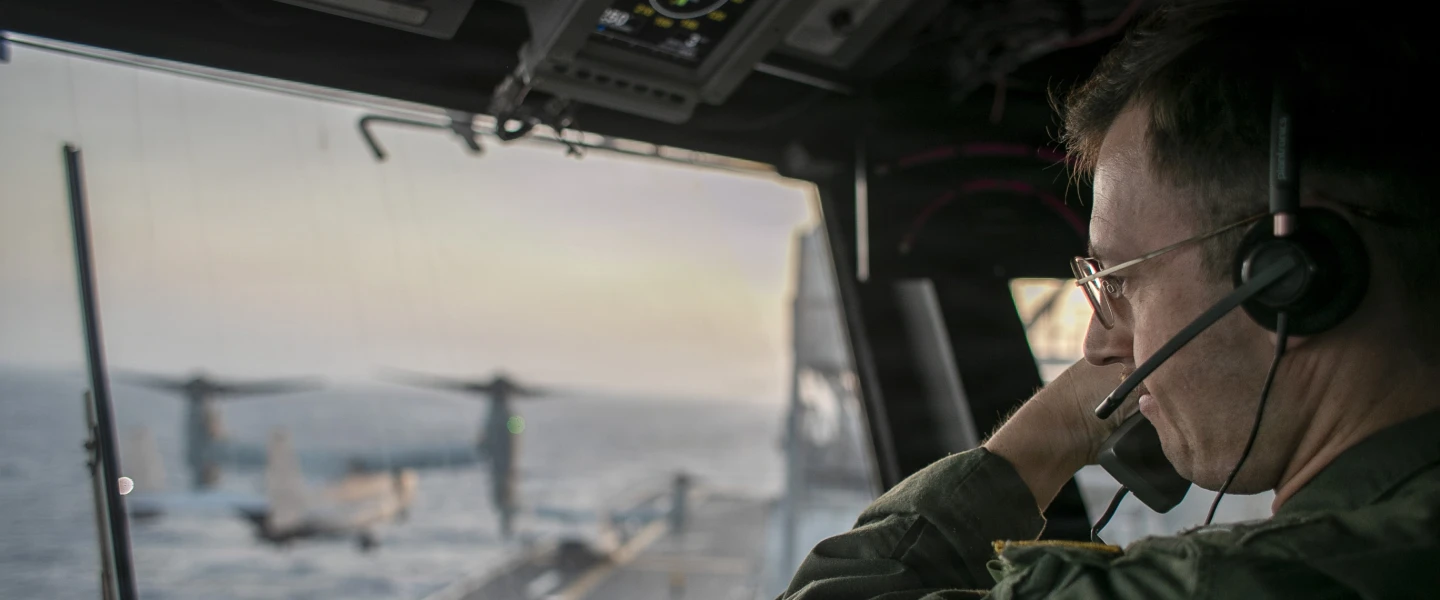


The article argues that while military and economic pressure can weaken Iran's Islamic Republic, they do not constitute a strategy for political transition. Both U.S. sanctions and Israeli military actions, such as those demonstrated in the "12-Day War," can impose significant costs and disrupt the regime's capabilities. However, they fail to address how a weakened authoritarian system can lead to a viable political alternative. The author emphasizes that many Iranians distinguish between the nation of Iran and the Islamic Republic, creating a strategic opportunity, but warns that expanding conflict and civilian casualties could erase this distinction, allowing Tehran to portray itself as a national defender.
"Weakening the Islamic Republic will not secure Iran’s political transition."
The article suggests that the death of a leader or economic hardship alone will not collapse the regime, as it is an institutional ecosystem with many stakeholders. A successful strategy for political change must integrate military, economic, diplomatic, political, and informational instruments, focusing on institutions of repression and aggression while minimizing harm to civilian infrastructure and supporting a credible Iranian-led alternative. The goal is to reduce uncertainty about a post-Islamic Republic future, ensuring public order, territorial integrity, and a legitimate process for Iranians to choose their government.
© All rights to the original article belong to the source. Din Online shows a headline, an excerpt and a link only. The objectivity rating is computed automatically and is an estimate only.
Discussion
No comments yet — be the first to comment.