The Echo of 'Explosion': Israel's Week of Disquiet
The Unsettling Resonance of 'Explosion'
In a week marked by a disquieting mix of local tragedies and looming regional threats, the term 'פיצוץ' (explosion) emerged as one of the most-searched on Google in Israel, garnering over 1,000 inquiries. This simple word, often associated with sudden, violent force, became a stark metaphor for the multiple anxieties reverberating across the nation. It reflects not just literal explosions or accidents, but a deeper societal tension—a sense that various pressures are building, threatening to erupt.
From the sudden loss of life on Israel's roads and beaches to the simmering political feuds and the ever-present shadow of regional conflict, the week's events painted a picture of a society grappling with multifaceted challenges. This isn't merely a collection of isolated incidents; it's a snapshot of a collective psyche under strain, where the potential for 'explosion' feels omnipresent, whether from a literal device or the unraveling of social fabric.
Domestic Fault Lines: Tragedies and Political Squabbles
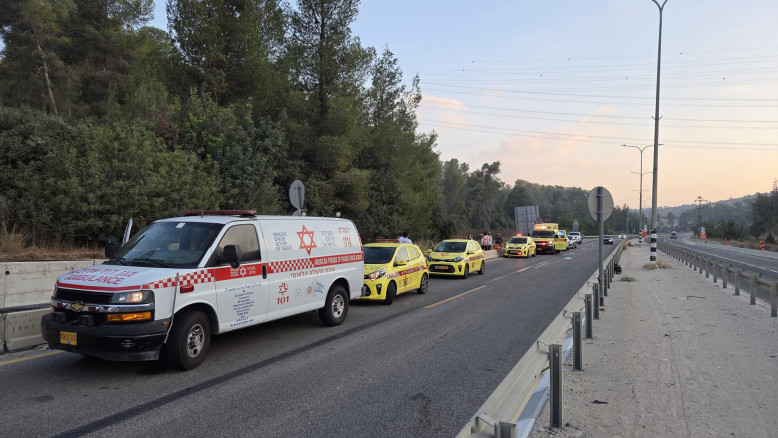
The domestic landscape this week was marred by tragic incidents that underscored the fragility of life. A young cyclist, approximately 30 years old, was killed near Beit Shemesh after being struck by a vehicle on Road 3855, an event paramedics described with stark finality:
"His injuries were significant, and we had no choice but to determine his death."
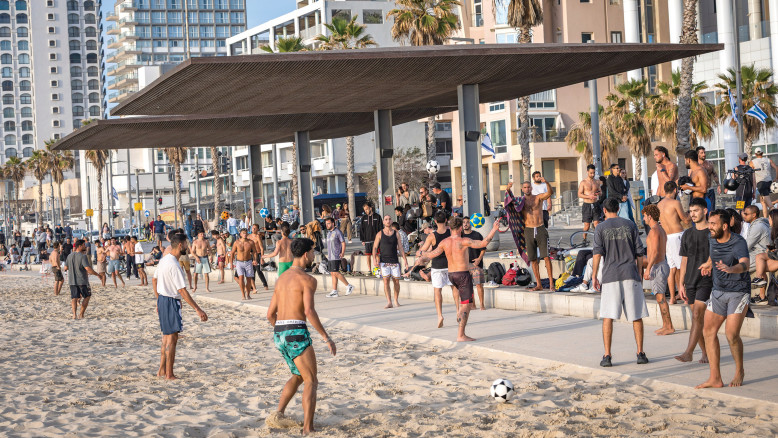
Similarly, a 25-year-old man drowned off Bat Yam's Jerusalem Beach, his life extinguished abruptly in what should have been a moment of leisure. These incidents, alongside a 16-year-old motorcyclist injured near Rishon LeZion and an act of violence in Maghar leaving a 35-year-old man with penetrating wounds, highlight a worrying trend of preventable losses and societal friction that continue to plague everyday life in Israel.
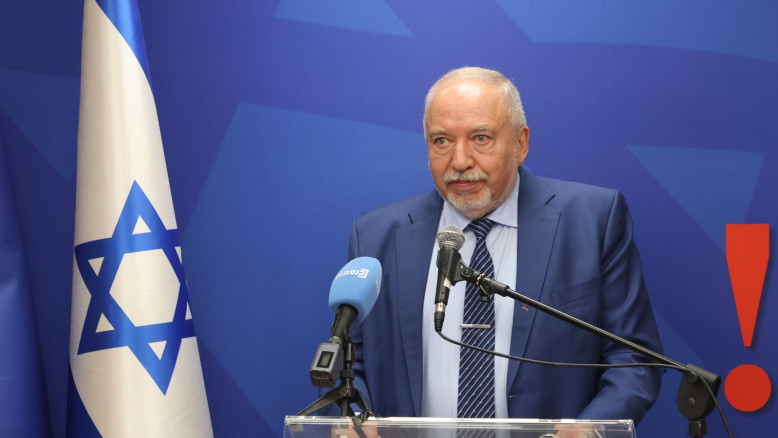
Compounding these personal tragedies are the persistent political skirmishes. The political arena, often a source of national cohesion, remains a hotbed of contention. Yisrael Beiteinu leader Avigdor Liberman, a prominent voice, continued his critique of the current political climate, notably asserting that he would not establish a government without a conscription law. He also raised concerns about potential misuse of state institutions, stating,
"Netanyahu will try to use the Shin Bet against rivals."
Such pronouncements fuel a sense of internal instability, making the political landscape feel perpetually on the verge of its own kind of implosion, a political 'explosion' of rhetoric and distrust.
The Regional Powder Keg: Hezbollah and Iranian Provocations
Beyond its borders, Israel faces a continually volatile regional environment. The shadow of Hezbollah looms large, with reports indicating that the Lebanese terror group is fortifying villages, turning them into veritable strongholds. A recent explosive device detonation in Lebanon, attributed to Hezbollah's activities, serves as a grim reminder of the group's ongoing operational capabilities and intent. The imagery of "terrorist cells swarming the area" paints a vivid picture of a deeply entrenched and active threat on the northern border.
Further complicating the regional picture is Iran's persistent antagonism. While direct military confrontations are often the focus, the shift in Iranian tactics to "enact laws against Israel and the United States" suggests a more insidious, long-term strategy of delegitimization and legal warfare, complementing their military-nuclear ambitions. This multifaceted pressure from Iran and its proxies across the region creates a constant state of alert, where the next 'explosion' could be geopolitical, not just physical.

The Weight of History: A Nation Under Perennial Strain
To understand the depth of this week's 'explosion' of anxieties, one must consider Israel's historical context. The nation has always existed under duress, a constant state of readiness against external threats and internal divisions. This week's events, from road fatalities to political infighting and border tensions, are not new phenomena, but rather echoes of a deeply ingrained pattern. There's a historical parallel to be drawn with the periods of intense stress during critical junctures, such as the lead-up to the Yom Kippur War, where a confluence of seemingly disparate events built into a national crisis. The current climate, while not a direct parallel, mirrors this sense of accumulating pressure points. The incentive for leaders is often to project strength and unity, yet the current political discourse often exacerbates divisions, creating an internal 'explosion' of distrust that impacts national resilience.
A less covered aspect is the psychological toll on the populace. The constant bombardment of news, both tragic and threatening, can lead to what psychologists term 'doomscrolling' and 'crisis fatigue.' This perpetual state of low-grade anxiety, where every accident or political spat feels like a harbinger of something larger, is a significant second-order effect that merits closer attention.
Navigating the Heat and the Storm
Even the weather seemed to play its part in the narrative of strain and relief. While a slight drop in temperatures offered a temporary respite from the heatwave, the forecast for renewed warming and increased heat stress by Sunday served as a meteorological metaphor for the nation's broader condition: moments of calm are fleeting, with pressure building once more. This cyclical nature of challenges, both natural and man-made, contributes to the feeling of being perpetually on edge. The ongoing deadlock in negotiations between Israel and Lebanon, specifically over a "dispute preventing an agreement," further emphasizes the enduring nature of regional instability, suggesting that even diplomatic solutions are fraught with difficulty.
- Domestic Vulnerabilities: Tragic accidents and internal political discord highlight persistent challenges within Israeli society.
- Regional Instability: Hezbollah's fortifications and Iran's strategic provocations maintain a high level of external threat.
- Political Polarization: Key figures like Liberman underscore deep divisions, particularly over fundamental issues like conscription.
- Psychological Burden: The constant stream of challenging news takes a significant toll on public morale and national resilience.
- Cyclical Pressures: Both environmental and geopolitical conditions suggest an ongoing pattern of intensifying and receding pressures.
What to watch next
Keep a close eye on the political front, particularly any developments regarding the conscription law and the ongoing rhetoric between key political figures. On the regional stage, the activities of Hezbollah and any further legislative or provocative moves by Iran will be critical indicators. Domestically, public discourse around safety and societal cohesion will reveal how the nation processes its collective anxieties. Can Israel find a way to defuse these multiple 'explosions' before they ignite something far more significant?
Coverage Sources & References:
- ליד הכניסה לבית שמש: רוכב אופניים נהרג לאחר שנפגע ממכונית [מעריב]
- טרגדיה בחוף הים בבת ים: נקבע מותו של גבר שנמשה מהמים [מעריב]
- תחזית מזג האוויר: הקלה בעומס החום במהלך סוף השבוע [מעריב]
- "בלי זה לא תקום ממשלה": חמשת התנאים של ליברמן | פודקאסט מעריב [מעריב]
- ליברמן מזהיר: "נתניהו ינסה להפעיל את השב"כ נגד יריבים" | פודקאסט מעריב [מעריב]
- אירוע אלימות בגליל התחתון: גבר כבן 35 נפצע באורח בינוני [מעריב]
- רוכבת אופנוע בת 16 נפצעה באורח בינוני בתאונת דרכים סמוך לראשון לציון [מעריב]
- ראשוני: הרוגים ופצועים באירוע ירי בבית ספר בבנגקוק שבתאילנד [מעריב]
An original opinion-analysis column by the Din Online desk, based on current coverage from a range of sources. Views expressed are the desk’s own. Some content is produced with automated tools.
Discussion
No comments yet — be the first to comment.