The Lottery Craze: Why We Chase the Elusive 80 Million Shekels

The Allure of the Jackpot: A National Obsession
In a world increasingly dominated by instant gratification and algorithmic precision, there remains an enduring, almost primal fascination with the long shot. This week in Israel, few topics captured the national imagination quite like the lottery, surging to become one of the most-searched terms on Google. And for good reason: the first prize in the national lottery has once again soared to its maximum, reaching an astounding 40 million shekels, with the Double Lotto option offering a staggering 80 million shekels. This marks the second time in just two months that the jackpot has hit its ceiling, a phenomenon not seen for a year and a half before May, suggesting a fascinating confluence of circumstances and human psychology.
This recurring peak isn't merely a statistical anomaly; it's a mirror reflecting our deepest desires for sudden change, for an escape from the mundane, and for the tantalizing possibility of a life reimagined. The lottery, in essence, is a narrative machine, selling not just tickets, but dreams. And when the numbers grow to such astronomical figures, the narrative becomes irresistible.
 48-Inch Flexible LED Strip Diffuser: A Look for DIY Ambient Lighting
AliExpress See the review →
48-Inch Flexible LED Strip Diffuser: A Look for DIY Ambient Lighting
AliExpress See the review →
The Economics of Hope: Why Maximum Prizes Matter
The fact that the prize has reached its maximum for the second time in quick succession highlights a crucial aspect of lottery mechanics and public engagement. Lotteries thrive on cumulative jackpots. Each week without a winner means the prize rolls over, growing larger and more enticing. This creates a feedback loop: as the prize increases, more people are motivated to play, further increasing the pool of money and the likelihood of the prize rolling over again if no winner is found. We saw this in late May when the prize first hit 40 million shekels after an extended period, leading to a surge in ticket sales. Now, just weeks later, the cycle repeats.
This isn't just about the absolute amount; it's about the psychological threshold. While a few million shekels are significant, 40 or 80 million shekels crosses into a realm of life-altering wealth that transcends mere comfort. It represents the ability to erase all debt, purchase multiple homes, fund businesses, travel the world, and secure generational wealth. This makes the purchase of a ticket not just a gamble, but an investment in a hypothetical future, however improbable.
"In the latest lottery draw last Saturday night, no winner was found for the first prize, and the prize continues to accumulate. In the upcoming lottery draw, the first prize will stand at 40 million shekels, and in the Double Lotto option, one can win a prize of up to 80 million shekels. This is the second time in just about two months that the prize reaches its maximum ceiling."— Channel 7
Beyond the Numbers: The Power of Narrative
Our fascination with the lottery is deeply intertwined with the human desire for compelling stories. Much like the journalist who fabricated 'The Shed at Dulwich' to become London's top-rated restaurant, creating a powerful narrative around a non-existent entity, the lottery constructs a narrative of instant transformation. Each ticket sold is a miniature story unfolding in the mind of the purchaser: what would I do with 80 million shekels? Where would I go? Who would I help?
This narrative power is so potent that it can override rational thought. The odds of winning the top prize are astronomically low, yet millions participate. This isn't purely logical decision-making; it's an emotional and narrative-driven one. We are drawn to the *story* of winning, to the *feeling* of possibility, far more than we are deterred by the cold statistics of probability. The phenomenon of the lottery, much like the allure of reality TV shows that document extreme human behavior – whether it's the "White Lotus" (which features a star returning to HBO for a new project) or Netflix's "Worst Roommate Ever" – taps into our innate curiosity for dramatic shifts and unexpected outcomes.

A Historical Echo: Gambling and Human Nature
The current lottery craze isn't a new phenomenon; it's an echo of a deeply ingrained human tendency throughout history. From ancient dice games to modern casinos, the allure of chance and the dream of unearned fortune have captivated societies. In many ways, the lottery serves as a legalized, accessible form of this ancient impulse. While the specific numbers and prizes change, the underlying psychological drivers remain constant. The collective anticipation, the shared hope, and the communal daydreaming about a jackpot winner create a unique social event. It's a testament to our enduring capacity for hope, even against overwhelming odds.
The *original layer* most coverage misses is the subtle societal function the lottery serves, beyond just generating revenue for the state. In times of economic uncertainty or heightened stress, the lottery offers a sanctioned, collective daydream. It’s a temporary escape, a moment where everyone, regardless of their current circumstances, can entertain the fantasy of instant freedom. This psychological safety valve, a shared fantasy, is an often-overlooked *second-order effect* of a booming jackpot. It provides a common topic of conversation, a shared fantasy that briefly unites people across socioeconomic divides.
- The lottery's massive jackpot is hitting its maximum for the second time in two months, fueling unprecedented public interest.
- This surge is driven by cumulative jackpots and the psychological impact of truly life-altering sums.
- The lottery sells not just tickets, but a powerful narrative of instant transformation and escape.
- Human nature's ancient attraction to chance plays a significant role in its enduring appeal.
- Beyond revenue, the lottery offers a crucial societal safety valve: a collective, shared fantasy of escape.
"The first prize in the lottery climbs again to the ceiling: after no winner was found in the lottery draw last Saturday night, the prize continues to accumulate."— Channel 7
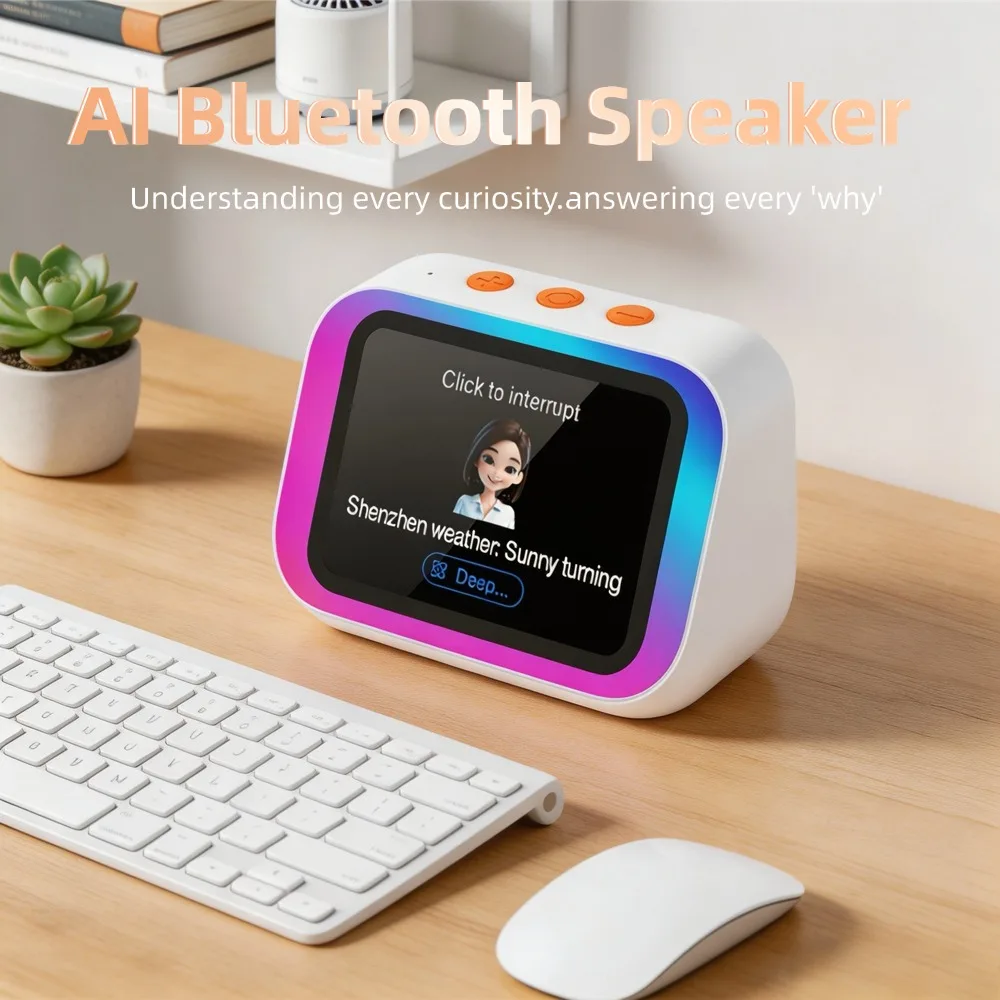
The psychology of scarcity combined with unfathomable wealth creates a potent mix, making the lottery a perennial subject of fascination. It reminds us that while we might search for the smartest AI Bluetooth speaker 5.4 or analyze the latest Netflix true-crime documentary, sometimes the simplest, most improbable dream is what truly captures our collective imagination.

What to watch next
Keep an eye on the upcoming draw. If the prize is won, observe how quickly interest wanes, only to resurface when the jackpot begins its inevitable climb again. If it rolls over again, expect an even greater surge in public participation and media attention, pushing the envelope of lottery fever. Also, consider the broader economic context: do these lottery peaks correlate with periods of economic strain, suggesting a greater yearning for an 'easy out' from financial pressures? This phenomenon is a fascinating barometer of societal hope and risk appetite.
As we collectively dream of those 80 million shekels, one must ask: Is our pursuit of the jackpot a symptom of genuine hope, or merely an elaborate, collective escapism?
,
Coverage Sources & References:
- נטפליקס בהודעה חריגה – שרלוונטית דווקא לישראל [ישראל היום]
- בפעם השנייה תוך חודשיים: הפרס בלוטו מגיע למקסימום [ערוץ 7]
- משחקי הרעב: המסעדה הטובה בלונדון, שמעולם לא הייתה קיימת [גלובס]
- רמקול בלוטות' AI 5.4: יותר מרק סאונד, אבל האם זה מספיק? [ביקורות דין אונליין]
- נטפליקס ממשיכה לרוץ עם מותג הדוקו "הגרועים בתבל", והפעם: שכנים מהגיהנום [גלובס]
An original opinion-analysis column by the Din Online desk, based on current coverage from a range of sources. Views expressed are the desk’s own. Some content is produced with automated tools.
Discussion
No comments yet — be the first to comment.