US Senate passes Russia sanctions championed by late senator Lindsey Graham
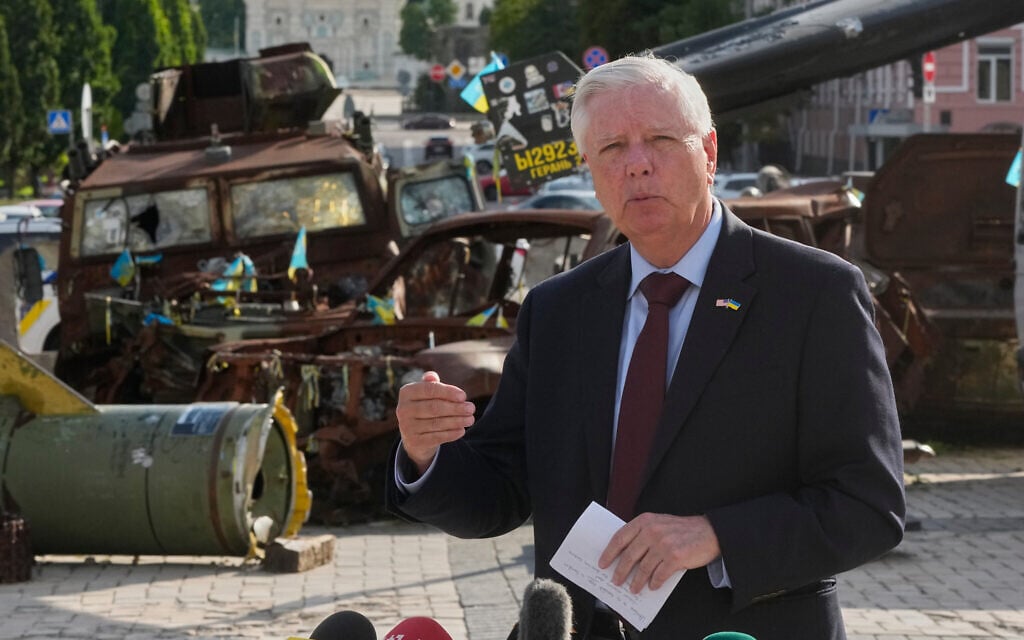
WASHINGTON (REUTERS) — The US Senate easily passed sweeping Russia sanctions legislation on Friday, advancing a long-delayed measure backed by late Senator Lindsey Graham and setting the stage for consideration by the House of Representatives within weeks.
Graham, a South Carolina Republican who died last month, was among Kyiv’s most outspoken allies in Congress in its four-year-long war with Russia, and the bill aims to increase economic pressure on Moscow over its invasion of Ukraine.
It also includes expanded sanctions on Iran sought by US President Donald Trump as lawmakers pushed for a vote on the measure well over a year since it was introduced in 2025.
The Senate’s Republican leaders had not brought the bill up because of resistance from Trump, who had kept decisions on sanctions at the White House, not Congress, since starting his second term in January 2025.
The Senate voted 86-11 to pass the “Lindsey O. Graham Sanctioning Russia and Iran Act of 2026,” to sanction Russian officials and authorize stiff tariffs on China, India and other countries to reduce their dependence on Russian oil and gas.
In a statement, the Ukrainian embassy in Washington welcomed passage, calling it “a timely and significant step that strengthens pressure on Russia.”
However, broad support may not be enough to secure House passage, with some lawmakers and industries wary that new tariff powers for Trump could raise costs for US importers and consumers while exposing Republicans to political blowback.
Representatives Gregory Meeks of New York and Don Beyer of Virginia said in a statement they still had “fundamental concerns” about the tariff powers for Trump, who has made them a central piece of his “America First” approach to foreign policy.
“What the bill does grant … are sweeping new tariff authorities that the president could weaponize with abandon, as he has repeatedly done in the past,” said Meeks, the top Democrat on the House Foreign Affairs Committee, and Beyer, the senior Democrat on the Joint Economic Committee.
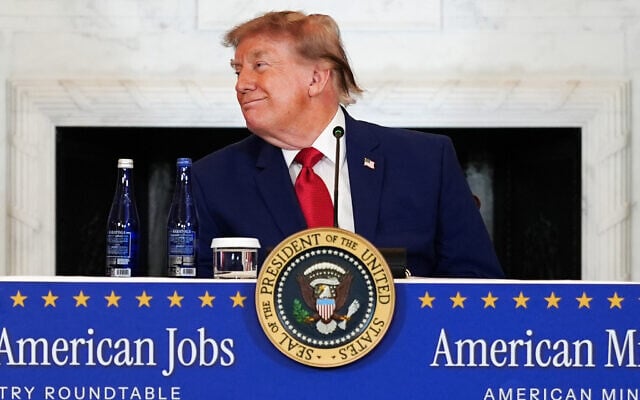
Trump’s fellow Republicans control only slim majorities in both the House and Senate.
Only one Senate Republican, Rand Paul of Kentucky, voted against the bill, likening tariffs to taxes on American consumers.
The chamber erupted into applause after Graham’s sister, Darline Graham, who was appointed to fill his seat, read out the final tally.
The Senate rejected an amendment sponsored by Paul and Democratic Senator Ron Wyden of Oregon that would have removed the tariff powers.
Democratic Senator Raphael Warnock of Georgia, who also sought to change the tariff language, said he had received a written commitment from Trump’s US trade representative, Jamieson Greer, to put guardrails on the tariff authorities.
If it is approved by the House and signed into law by Trump, the measure would allow the president to impose tariffs of up to 100% on countries that are major consumers of Russian energy, including India, Japan and some countries in the European Union, and leave it to his discretion to lift them.

The legislation’s backers insist that the tariffs are narrow enough that they would do their intended job of reducing Russian energy revenue that funds its war on Ukraine without negative consequences.
Supporters called the legislation the best opportunity to support Ukraine, and the strong bipartisan Senate vote provided momentum for it to pass the House after it returns from its summer recess on August 31.
Graham had announced shortly before his sudden death on July 11 that he and Trump agreed finally to move forward with the legislation.
The legislation lets the president impose targeted tariffs on imported goods from countries that buy the vast majority of Russian oil or gas and enable Russia’s evasion of sanctions.
The bill limits these tariffs to the five largest importers of Russian crude oil or gas and the top five countries that aid Russia’s energy sanctions evasion. The measure includes a provision to prevent a lapse in sanctions authority that restricts funding for Iranian energy and weapons.

As a multimedia journalist, my job is to take the quality, fact-based journalism produced by The Times of Israel newsroom and make it accessible across every platform — from Instagram posts to podcasts to short-form videos.
This is how many, especially young people, consume news these days. But misinformation is rampant on social media. Our team at ToI produces accurate, responsible short-form reporting on Israel and the Jewish world.
If you believe in the importance of factual social media journalism, please consider joining our reader support group, The Times of Israel Community. Your financial support is essential to sustain responsible multimedia reporting.
— Gabriella Jacobs, multimedia journalist

We’re really pleased that you’ve read X Times of Israel articles in the past month.
That’s why we started the Times of Israel – to provide discerning readers like you with must-read coverage of Israel and the Jewish world.
So now we have a request. Unlike other news outlets, we haven’t put up a paywall. But as the journalism we do is costly, we invite readers for whom The Times of Israel has become important to help support our work by joining The Times of Israel Community.
For as little as $6 a month you can help support our quality journalism while enjoying The Times of Israel AD-FREE, as well as accessing exclusive content available only to Times of Israel Community members.
Thank you, David Horovitz, Founding Editor of The Times of Israel





The US Senate passed the “Lindsey O. Graham Sanctioning Russia and Iran Act of 2026” with an 86-11 vote, a measure championed by the late Senator Lindsey Graham. This legislation aims to increase economic pressure on Moscow over its invasion of Ukraine and includes expanded sanctions on Iran. The bill authorizes stiff tariffs on countries like China and India to reduce their dependence on Russian oil and gas, with the president able to impose tariffs of up to 100% on major consumers of Russian energy. The Ukrainian embassy in Washington welcomed its passage, calling it “a timely and significant step that strengthens pressure on Russia.” However, some lawmakers expressed “fundamental concerns” about the sweeping new tariff authorities granted to the president, fearing potential negative impacts on US importers and consumers.
© All rights to the original article belong to the source. Din Online shows a headline, an excerpt and a link only. The objectivity rating is computed automatically and is an estimate only.
Discussion
No comments yet — be the first to comment.