When Armies Falter: A World in Disarray

The Shifting Sands of Military Power
The very concept of 'צבא' – army – reverberated across Israeli Google searches this week, a testament to the profound and multifaceted role military forces play in our increasingly volatile world. From geopolitical chess matches to internal ethical dilemmas, the headlines paint a picture of armies under pressure, their traditional roles challenged by a confluence of political maneuvering, strategic desperation, and even moral failings. It's a landscape where the line between strength and desperation blurs, and where the efficacy of military might is constantly re-evaluated.
Geopolitical Grids: Hormuz, Sudan, and the Houthi Surge
The global stage is a complex tapestry of military and diplomatic tensions, nowhere more evident than in the Straits of Hormuz and the Red Sea. Iran's audacious offer to open Hormuz within seven days – contingent on the lifting of sanctions and a halt to US military activity – reveals a strategic gambit. This isn't just about oil; it's about leveraging a critical choke point for political gain. As Iranian officials dismissed US President Trump's threats as evidence of "strategic despair," they highlighted the perception of a US military that, despite its might, is seen by some as operating from a position of weakness and "erosion." This sentiment is echoed in the US's decision to delay a visa for Sudan's military leader, Abd al-Fattah al-Burhan, linking his UN General Assembly attendance to an agreement on a ceasefire. This move, while aimed at fostering peace, is a direct application of diplomatic pressure leveraging personal access, and has been met with condemnation from Sudan as a "violation of the UN Charter and international law."
<
"Aioomei Trump meidim al yiyusham" (Trump's threats indicate their despair), said the Iranian General Staff, underscoring their perception of US strategic impasse.
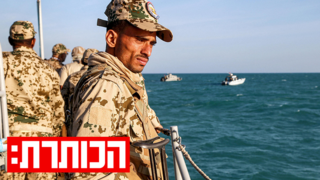
Meanwhile, the Houthi military blitz in the Red Sea, seizing strategic points and striking deep into Saudi Arabia, illustrates a burgeoning regional power shift. Saudi Arabia finds itself in a precarious position, needing to protect its oil infrastructure and shipping lanes, while its key ally, the US, opts for restraint over direct engagement. This dynamic has significant second-order effects, potentially impacting Israel's relationships with Arab nations as regional balances shift and allegiances are tested. This situation is reminiscent of historical instances where major powers, despite their overwhelming military superiority, found themselves constrained by political considerations, allowing smaller, more agile actors to gain ground.
Domestic Strains: Military Ethics and Political Boundaries
Closer to home, the Israeli discourse around 'צבא' this week also touched upon sensitive domestic issues, highlighting the intersection of military integrity and political accountability. The arrest of a non-commissioned officer in the Air Force on suspicion of harassing female subordinates is a stark reminder that military institutions, like any large organization, are not immune to internal ethical failures. Such incidents, while isolated, can erode public trust and demand robust internal mechanisms for accountability and justice. The military justice system's swift action in extending his detention and preparing for an indictment underscores the seriousness with which such allegations are treated.
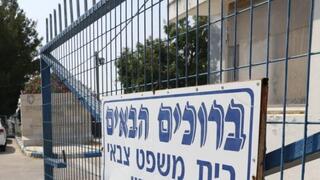
Perhaps even more politically charged is the support expressed by Gadi Eisenkot's party for disqualifying Sami Abu Shahada from running for Knesset. The rationale? Abu Shahada's controversial statement post-October 7th, describing the Hamas attack as a "significant historical event from a military, political, and strategic perspective." The statement from Eisenkot's party – "Yom acharei ha'tevach, Abu Shahada higdir et מתקפת Hamas 'eiroa' historai חשוב מב'hinah tzva'it, מדינית v'strategit' – et ha'dvarim ha'eleh אי אפשר למhok" (The day after the massacre, Abu Shahada described the Hamas attack as a 'significant historical event from a military, political, and strategic perspective' – these words cannot be erased) – highlights the profound moral and political red lines drawn in Israeli society, particularly concerning any perceived legitimization of actions by terrorist organizations. This debate touches upon the very definition of loyalty and national security in a democracy, especially during times of conflict.
The Shadow of 'Blacklists' and the Search for Truth
An original layer often missed in these discussions is the broader societal impact of these military and security-related tensions, sometimes manifesting in unexpected ways. The 'blacklist' procedure used by the National Insurance Institute to combat autism benefit fraud, while not directly military, illustrates a similar pattern of institutional response to perceived threats. The freezing of benefits and preference for institutional diagnoses, despite judicial criticism regarding harm to families without proof, reflects a mentality of defensive action against perceived vulnerabilities. This 'security' mindset, often justifiable in military contexts, can have detrimental effects when applied without careful consideration in civilian spheres, demonstrating how the very mechanisms designed to protect can, inadvertently, cause distress.
- Strategic Despair: Iran's perception of US military posture underscores a shifting global power dynamic.
- Diplomatic Leverage: The US uses visa power to influence Sudanese political outcomes, highlighting non-military tools of pressure.
- Regional Instability: Houthi military gains demonstrate the fluid and unpredictable nature of conflicts in critical maritime zones.
- Ethical Accountability: Internal military scandals remind us that integrity is paramount, even in the most disciplined forces.
- Political Red Lines: Debates over political disqualification reflect deeply held societal values concerning national security.
What to Watch Next
The coming weeks will be crucial. Observe how the US-Iran diplomatic dance unfolds at the UN General Assembly – will the offer on Hormuz lead to genuine dialogue or remain a mere rhetorical flourish? Keep an eye on the Red Sea, as Saudi Arabia's response to Houthi advancements, and the US's continued restraint, will shape regional alliances and shipping routes. Domestically, the legal proceedings against the Air Force officer will be a test of military justice, and the ongoing debate surrounding Sami Abu Shahada's potential disqualification will reveal the evolving boundaries of political discourse in Israel. How will nations balance the need for military strength with the imperative for ethical conduct and diplomatic solutions in an increasingly complex world?

Coverage Sources & References:
- איזנקוט תומך בפסילתו של סמי אבו שחאדה לריצה לכנסת [וואלה]
- איראן מציעה לפתוח את מצר הורמוז – וקאליבאף מאיים: "דיפלומטיה אינה כניעה" [וואלה]
- איראן מגיבה לטראמפ: איומיו מעידים על ייאושם [ערוץ 7]
- נגד בחיל האוויר נעצר: חשד שהטריד חיילות [Ynet]
- דיווח: ארה"ב מעכבת ויזה למנהיג סודאן עד להסכמה להפסקת אש [ערוץ 7]
- החשוד בירי בבית כנסת באונטריו: חייל לשעבר בצבא קנדה [דבר]
- "הרשימה השחורה", הנוהל הסודי ושלילת קצבאות: מאחורי המאבק באבחוני האוטיזם [גלובס]
- עליית המדרגה של החות'ים במלחמה נגד סעודיה [Ynet]
An original opinion-analysis column by the Din Online desk, based on current coverage from a range of sources. Views expressed are the desk’s own. Some content is produced with automated tools.
Discussion
No comments yet — be the first to comment.