In the tumultuous arena of Israeli politics, where alliances are fluid and fortunes can turn on a dime, a new force has emerged, capturing the attention and anxiety of established parties across the right-wing spectrum. This week, among the most-searched topics on Google in Israel, with approximately 2,000+ searches, was the name Ofer Winter. Once a celebrated military figure, Winter's pivot to politics has become the latest electoral earthquake, threatening to redraw the political map and sending shivers down the spines of Prime Minister Benjamin Netanyahu, Bezalel Smotrich, and Itamar Ben Gvir. His nascent political vehicle, described as "Israeli, right-wing, non-sectoral," is not just a new option; it's a direct challenge to the delicate balance of power within the nationalist camp.
The sudden surge of Ofer Winter's potential party, as evidenced by recent polls indicating it might cross the electoral threshold, represents more than just another political entry. It's a symptom of deeper discontent within a significant segment of the Israeli electorate, particularly those aligned with the right. For years, voters have expressed frustration with the perceived compromises and internal squabbles of the established right-wing parties. Winter, with his strong military background and image as an uncompromising figure, appears to be tapping into this simmering dissatisfaction. His rise is less about a novel ideology and more about a yearning for perceived authenticity and decisive leadership, characteristics many feel have been diluted by the exigencies of coalition politics.
What exactly is fueling this unexpected ascent? Winter's appeal lies in a potent combination of factors. First, his military career, marked by a reputation for bravery and a hawkish stance, resonates deeply with a security-conscious public. In a nation frequently grappling with security challenges, such as the two terror attacks reported on a single day and the ongoing preparations for the "next dangerous scenario," a figure like Winter offers a sense of reassurance and strength. This is particularly attractive to voters who feel that the current political leadership, despite its right-wing credentials, has not been sufficiently resolute on security matters.
המסמרים כבר מפוזרים: הבעיה החדשה של נתניהו לקראת הבחירות · מעריב
Second, his party's stated identity as "Israeli, right-wing, non-sectoral" positions it as a broad alternative to the more ideologically rigid or religiously-aligned parties on the right. This allows Winter to attract voters who identify as right-wing but might feel alienated by the specific agendas of, say, Religious Zionism or Otzma Yehudit. The potential addition of figures like Yossi Haddad, the outgoing CEO of 'Together Arabs for Each Other,' and journalist Netalie Shem Tov, further broadens his appeal. Haddad's possible inclusion, in particular, signals an attempt to create a more inclusive right-wing platform that transcends traditional divisions, challenging the notion that the right is solely the domain of a specific demographic. Shem Tov, reportedly having received offers from Likud and Gilad Erdan, brings media recognition and a centrist-right appeal, further diversifying the party's potential voter base. This strategic recruitment suggests a deliberate effort to build a coalition that can draw from various segments of society, rather than just a narrow ideological base.
Related video: עופר וינטר
The Ripple Effect: Panic in the Established Camps
The emergence of Ofer Winter's party is sending shockwaves through the established right-wing political landscape, creating what one headline ominously termed "Netanyahu's new problem ahead of elections." The primary concern for Likud, Religious Zionism, and Otzma Yehudit is the potential for significant mandate erosion. The new party is reportedly "biting into mandates from Likud, Religious Zionism, and Otzma Yehudit," a critical development given the already tight margins in Israeli elections. For Netanyahu, this is reminiscent of a "Meretz trauma," referring to past instances where small parties unexpectedly crossed the threshold, fundamentally altering the political arithmetic.
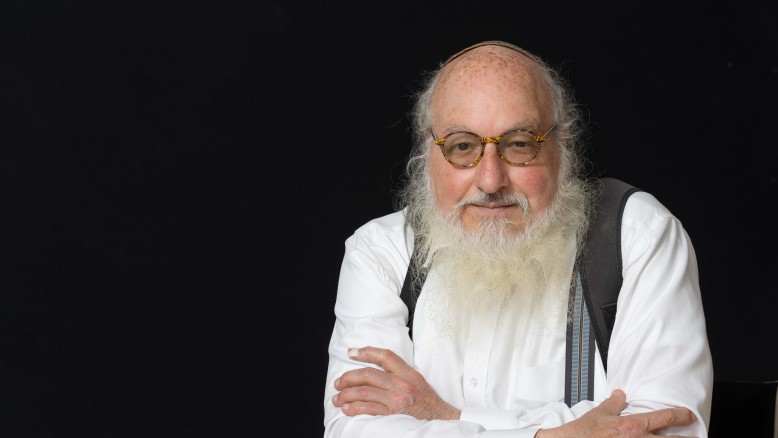
The panic is palpable. Smotrich, in particular, faces a significant challenge, as Winter's platform likely appeals to a similar voter base. The question of "who will get the vote of the party's voters" becomes paramount, especially if Winter's party fails to cross the threshold, leading to wasted votes for the right-wing bloc. This fear of wasted votes is a recurring nightmare for Israeli parties, often forcing last-minute mergers or strategic withdrawals. The situation is further complicated by figures like Jonathan Pollard, who, after exploring options with Winter, Ben Gvir, and Smotrich, ultimately joined Sharren Haskel's "Israel First" party. While Pollard's move doesn't directly boost Winter, it illustrates the fluidity and fragmentation within the broader right, where multiple new entities are vying for attention and legitimacy.
מכה לסמוטריץ': עופר וינטר עובר את אחוז החסימה – ומשנה את המפה · מעריב
The incentive for Netanyahu and Smotrich is clear: stem the bleeding. They are actively trying to "maintain the bloc," which likely involves a combination of public appeals, behind-the-scenes negotiations, and perhaps even veiled threats about the risks of splintering the right-wing vote. Ben Gvir, meanwhile, is focused on "marking the senior portfolios," indicating a belief in his party's continued strength, even amidst new competition. However, the unexpected rise of Winter forces a re-evaluation of these assumptions, potentially leading to a more competitive and unpredictable electoral outcome for everyone involved.
A Historical Parallel: The Incentive for New Entrants
To understand the deeper currents at play, it's helpful to consider a historical parallel: the rise of figures like Ariel Sharon with Kadima in 2005. Sharon, a towering figure of the Israeli right, broke away from Likud to form a centrist party, fundamentally reshaping Israeli politics. While Winter's ideological stance is firmly on the right, his move shares a common thread: the perception that established parties have become stagnant or unresponsive. Voters, especially those with strong ideological convictions, are often willing to abandon traditional loyalties if they believe a new, more authentic voice has emerged.
The incentive for new entrants like Winter is multi-faceted. First, there's the genuine belief in offering a better alternative, especially for those who feel the current leadership is compromising core values. Second, there's the allure of power and influence. Even a small party that crosses the threshold can become a kingmaker in coalition negotiations, wielding disproportionate influence. Third, and perhaps most acutely relevant here, is the strategic advantage of being a fresh face. In a political landscape dominated by long-standing figures and established narratives, a new personality, especially one with a compelling backstory like Winter's, can cut through the noise and capture public imagination. The media, always eager for a new storyline, also plays a role in amplifying these emerging figures, creating a self-reinforcing cycle of attention and momentum.
עופר וינטר, איתמר בן גביר וסמוטריץ' אמרו לו לא: הצעד החדש של יונתן פולארד · מעריב
The second-order effects of Winter's rise are significant. It could force a more hawkish stance from Likud and Religious Zionism to counter his appeal, potentially pushing the entire right-wing bloc further to the right. It also complicates coalition building post-election, making it harder to form a stable government if mandates are fragmented among a larger number of small parties. The current panic within the right-wing establishment is not merely about losing a few seats; it's about the potential for a complete realignment of power dynamics, where a previously unimaginable player becomes a crucial determinant of Israel's future leadership.
Key Takeaways from Winter's Political Surge
Erosion of Established Right-Wing Support: Winter's party is directly challenging Likud, Religious Zionism, and Otzma Yehudit, indicating voter dissatisfaction with existing options.
Broadened Appeal: The party's non-sectoral, Israeli-right identity, coupled with diverse potential candidates like Yossi Haddad and Netalie Shem Tov, aims for a wider voter base.
Security Focus: Winter's military background and hawkish stance resonate with a public concerned about ongoing security challenges and perceived compromises.
Strategic Threat to Netanyahu: The fragmentation of the right-wing vote creates a "new problem" for Netanyahu, complicating coalition formation and potentially leading to a "Meretz trauma" of wasted votes.
Incentive for New Entrants: Winter exemplifies how fresh faces, appealing to perceived authenticity and decisive leadership, can capitalize on voter fatigue with established parties.
"The new party is already biting into mandates from Likud, Religious Zionism, and Otzma Yehudit."
"He (Jonathan Pollard) chose a political home: Pollard announced this morning (Sunday) in Jerusalem his joining the 'Israel First' party, led by MK Sharren Haskel, and his support for it ahead of the upcoming elections."
איום או הבשורה שחיכו לה? עופר וינטר מטלטל את הימין · ישראל היום
What to Watch Next
As the deadline for submitting party lists approaches, the focus will intensify on two critical areas: Winter's final party list and the responses from Netanyahu, Smotrich, and Ben Gvir. Will Winter successfully attract more prominent figures to solidify his party's broad appeal? The inclusion of Yossi Haddad, a Druze Israeli activist, and Netalie Shem Tov, a well-known journalist, signifies a deliberate strategy to transcend traditional right-wing demographics. If he can continue to attract such diverse and recognizable personalities, his momentum will only grow, further alarming the established parties. Conversely, a weak or uninspiring list could temper expectations and reduce his perceived threat.
Equally important will be the reactions from the right-wing establishment. Will Netanyahu's Likud launch a robust counter-campaign, emphasizing the dangers of splitting the right-wing vote? Will Smotrich and Ben Gvir consider a more aggressive merger strategy to consolidate their base? The political maneuvering in the coming weeks will be crucial. We might see last-minute attempts to either absorb Winter's party or discredit it, highlighting the desperation to maintain the current power structure. The history of Israeli elections is replete with such eleventh-hour machinations, and Winter's rise provides a compelling reason for them to re-emerge. The ultimate test will be whether Winter's perceived strength translates into actual votes, and if so, what kind of government can realistically emerge from such a fragmented right. What sacrifices will be made, and what principles might be compromised, in the frantic scramble for power?
Can Ofer Winter, a relative newcomer to the political stage, truly redefine the Israeli right, or will his surge ultimately serve as a temporary tremor, merely complicating the path for the traditional players?
Winter's Ascent: The New Right's Wild Card
In the tumultuous arena of Israeli politics, where alliances are fluid and fortunes can turn on a dime, a new force has emerged, capturing the attention and anxiety of established parties across the right-wing spectrum. This week, among the most-searched topics on Google in Israel, with approximately 2,000+ searches, was the name Ofer Winter. Once a celebrated military figure, Winter's pivot to politics has become the latest electoral earthquake, threatening to redraw the political map and sending shivers down the spines of Prime Minister Benjamin Netanyahu, Bezalel Smotrich, and Itamar Ben Gvir. His nascent political vehicle, described as "Israeli, right-wing, non-sectoral," is not just a new option; it's a direct challenge to the delicate balance of power within the nationalist camp.
The sudden surge of Ofer Winter's potential party, as evidenced by recent polls indicating it might cross the electoral threshold, represents more than just another political entry. It's a symptom of deeper discontent within a significant segment of the Israeli electorate, particularly those aligned with the right. For years, voters have expressed frustration with the perceived compromises and internal squabbles of the established right-wing parties. Winter, with his strong military background and image as an uncompromising figure, appears to be tapping into this simmering dissatisfaction. His rise is less about a novel ideology and more about a yearning for perceived authenticity and decisive leadership, characteristics many feel have been diluted by the exigencies of coalition politics.
Winter's Appeal: A New Face for the Right
What exactly is fueling this unexpected ascent? Winter's appeal lies in a potent combination of factors. First, his military career, marked by a reputation for bravery and a hawkish stance, resonates deeply with a security-conscious public. In a nation frequently grappling with security challenges, such as the two terror attacks reported on a single day and the ongoing preparations for the "next dangerous scenario," a figure like Winter offers a sense of reassurance and strength. This is particularly attractive to voters who feel that the current political leadership, despite its right-wing credentials, has not been sufficiently resolute on security matters.
Second, his party's stated identity as "Israeli, right-wing, non-sectoral" positions it as a broad alternative to the more ideologically rigid or religiously-aligned parties on the right. This allows Winter to attract voters who identify as right-wing but might feel alienated by the specific agendas of, say, Religious Zionism or Otzma Yehudit. The potential addition of figures like Yossi Haddad, the outgoing CEO of 'Together Arabs for Each Other,' and journalist Netalie Shem Tov, further broadens his appeal. Haddad's possible inclusion, in particular, signals an attempt to create a more inclusive right-wing platform that transcends traditional divisions, challenging the notion that the right is solely the domain of a specific demographic. Shem Tov, reportedly having received offers from Likud and Gilad Erdan, brings media recognition and a centrist-right appeal, further diversifying the party's potential voter base. This strategic recruitment suggests a deliberate effort to build a coalition that can draw from various segments of society, rather than just a narrow ideological base.
The Ripple Effect: Panic in the Established Camps
The emergence of Ofer Winter's party is sending shockwaves through the established right-wing political landscape, creating what one headline ominously termed "Netanyahu's new problem ahead of elections." The primary concern for Likud, Religious Zionism, and Otzma Yehudit is the potential for significant mandate erosion. The new party is reportedly "biting into mandates from Likud, Religious Zionism, and Otzma Yehudit," a critical development given the already tight margins in Israeli elections. For Netanyahu, this is reminiscent of a "Meretz trauma," referring to past instances where small parties unexpectedly crossed the threshold, fundamentally altering the political arithmetic.
The panic is palpable. Smotrich, in particular, faces a significant challenge, as Winter's platform likely appeals to a similar voter base. The question of "who will get the vote of the party's voters" becomes paramount, especially if Winter's party fails to cross the threshold, leading to wasted votes for the right-wing bloc. This fear of wasted votes is a recurring nightmare for Israeli parties, often forcing last-minute mergers or strategic withdrawals. The situation is further complicated by figures like Jonathan Pollard, who, after exploring options with Winter, Ben Gvir, and Smotrich, ultimately joined Sharren Haskel's "Israel First" party. While Pollard's move doesn't directly boost Winter, it illustrates the fluidity and fragmentation within the broader right, where multiple new entities are vying for attention and legitimacy.
The incentive for Netanyahu and Smotrich is clear: stem the bleeding. They are actively trying to "maintain the bloc," which likely involves a combination of public appeals, behind-the-scenes negotiations, and perhaps even veiled threats about the risks of splintering the right-wing vote. Ben Gvir, meanwhile, is focused on "marking the senior portfolios," indicating a belief in his party's continued strength, even amidst new competition. However, the unexpected rise of Winter forces a re-evaluation of these assumptions, potentially leading to a more competitive and unpredictable electoral outcome for everyone involved.
A Historical Parallel: The Incentive for New Entrants
To understand the deeper currents at play, it's helpful to consider a historical parallel: the rise of figures like Ariel Sharon with Kadima in 2005. Sharon, a towering figure of the Israeli right, broke away from Likud to form a centrist party, fundamentally reshaping Israeli politics. While Winter's ideological stance is firmly on the right, his move shares a common thread: the perception that established parties have become stagnant or unresponsive. Voters, especially those with strong ideological convictions, are often willing to abandon traditional loyalties if they believe a new, more authentic voice has emerged.
The incentive for new entrants like Winter is multi-faceted. First, there's the genuine belief in offering a better alternative, especially for those who feel the current leadership is compromising core values. Second, there's the allure of power and influence. Even a small party that crosses the threshold can become a kingmaker in coalition negotiations, wielding disproportionate influence. Third, and perhaps most acutely relevant here, is the strategic advantage of being a fresh face. In a political landscape dominated by long-standing figures and established narratives, a new personality, especially one with a compelling backstory like Winter's, can cut through the noise and capture public imagination. The media, always eager for a new storyline, also plays a role in amplifying these emerging figures, creating a self-reinforcing cycle of attention and momentum.
The second-order effects of Winter's rise are significant. It could force a more hawkish stance from Likud and Religious Zionism to counter his appeal, potentially pushing the entire right-wing bloc further to the right. It also complicates coalition building post-election, making it harder to form a stable government if mandates are fragmented among a larger number of small parties. The current panic within the right-wing establishment is not merely about losing a few seats; it's about the potential for a complete realignment of power dynamics, where a previously unimaginable player becomes a crucial determinant of Israel's future leadership.
Key Takeaways from Winter's Political Surge
Erosion of Established Right-Wing Support: Winter's party is directly challenging Likud, Religious Zionism, and Otzma Yehudit, indicating voter dissatisfaction with existing options.
Broadened Appeal: The party's non-sectoral, Israeli-right identity, coupled with diverse potential candidates like Yossi Haddad and Netalie Shem Tov, aims for a wider voter base.
Security Focus: Winter's military background and hawkish stance resonate with a public concerned about ongoing security challenges and perceived compromises.
Strategic Threat to Netanyahu: The fragmentation of the right-wing vote creates a "new problem" for Netanyahu, complicating coalition formation and potentially leading to a "Meretz trauma" of wasted votes.
Incentive for New Entrants: Winter exemplifies how fresh faces, appealing to perceived authenticity and decisive leadership, can capitalize on voter fatigue with established parties.
"The new party is already biting into mandates from Likud, Religious Zionism, and Otzma Yehudit."
"He (Jonathan Pollard) chose a political home: Pollard announced this morning (Sunday) in Jerusalem his joining the 'Israel First' party, led by MK Sharren Haskel, and his support for it ahead of the upcoming elections."
What to Watch Next
As the deadline for submitting party lists approaches, the focus will intensify on two critical areas: Winter's final party list and the responses from Netanyahu, Smotrich, and Ben Gvir. Will Winter successfully attract more prominent figures to solidify his party's broad appeal? The inclusion of Yossi Haddad, a Druze Israeli activist, and Netalie Shem Tov, a well-known journalist, signifies a deliberate strategy to transcend traditional right-wing demographics. If he can continue to attract such diverse and recognizable personalities, his momentum will only grow, further alarming the established parties. Conversely, a weak or uninspiring list could temper expectations and reduce his perceived threat.
Equally important will be the reactions from the right-wing establishment. Will Netanyahu's Likud launch a robust counter-campaign, emphasizing the dangers of splitting the right-wing vote? Will Smotrich and Ben Gvir consider a more aggressive merger strategy to consolidate their base? The political maneuvering in the coming weeks will be crucial. We might see last-minute attempts to either absorb Winter's party or discredit it, highlighting the desperation to maintain the current power structure. The history of Israeli elections is replete with such eleventh-hour machinations, and Winter's rise provides a compelling reason for them to re-emerge. The ultimate test will be whether Winter's perceived strength translates into actual votes, and if so, what kind of government can realistically emerge from such a fragmented right. What sacrifices will be made, and what principles might be compromised, in the frantic scramble for power?
Can Ofer Winter, a relative newcomer to the political stage, truly redefine the Israeli right, or will his surge ultimately serve as a temporary tremor, merely complicating the path for the traditional players?
An original opinion-analysis column by the Din Online desk, based on current coverage from a range of sources. Views expressed are the desk’s own. Some content is produced with automated tools.
From regional power plays to internal scandals, the concept of 'צבא' (army) dominated Israeli searches this week, reflecting a global landscape where military strength faces unprecedented…
From terror's shadow to a father's ultimate sacrifice, Israel confronts its deepest fears and enduring spirit, revealing surprising historical echoes amidst contemporary divisions.
Urban renewal projects, once a beacon of hope, are facing a harsh reality as housing prices stabilize. This deep dive explores the economic shifts, local government…




Discussion
No comments yet — be the first to comment.