Israeli doctors link secondhand smoke to poorer sleep quality in children
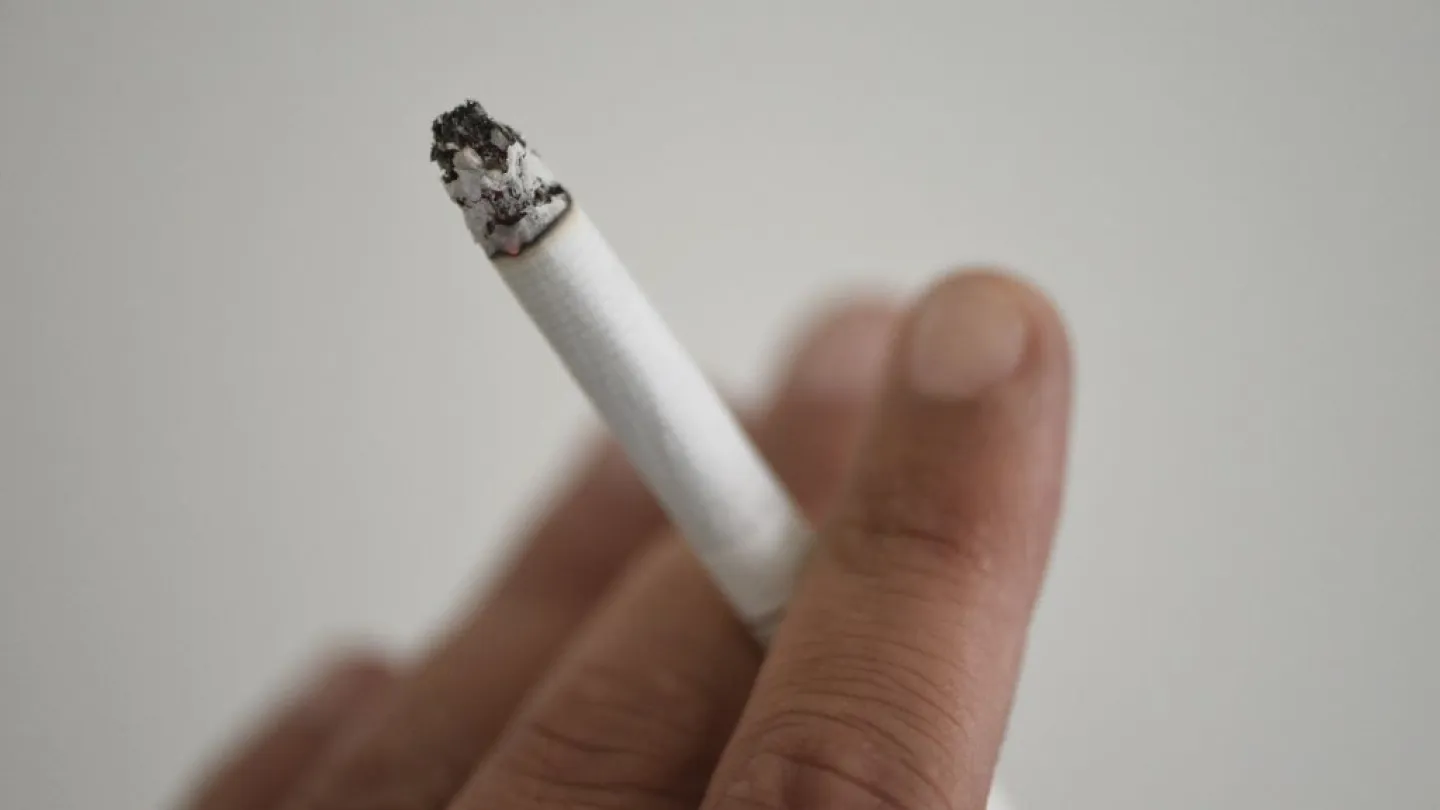
“Even when a parent is convinced that they are ‘smoking carefully,’ it results in more awakenings, less deep sleep and fewer opportunities for real rest.”

An Israeli study has linked secondhand smoke exposure to poorer sleep quality in children, even when parents believe they are smoking carefully. Conducted by researchers at Ben-Gurion University of the Negev and Soroka-University Medical Center, the study examined 30 children aged 1 to 12 using overnight sleep laboratory testing (polysomnography) and urine tests for cotinine, a biological marker of tobacco smoke exposure. The findings, published in Scientific Reports, revealed a clear dose-response relationship: higher cotinine levels correlated with lower sleep efficiency, shorter total sleep time, and a 67% higher arousal index, indicating more frequent sleep interruptions. Professor Ariel Tersiuk stated, "Even when a parent is convinced that they are 'smoking carefully,' it results in more awakenings, less deep sleep and fewer opportunities for real rest." The study also found that 60% of parents denied their children's exposure despite biological evidence, highlighting a need for increased public awareness regarding lingering indoor smoke. Researchers urge parents to maintain smoke-free homes to improve children's sleep, development, and daily functioning.
© All rights to the original article belong to the source. Din Online shows a headline, an excerpt and a link only. The objectivity rating is computed automatically and is an estimate only.
Discussion
No comments yet — be the first to comment.