Israeli study finds focusing attention on inflammation may reduce response
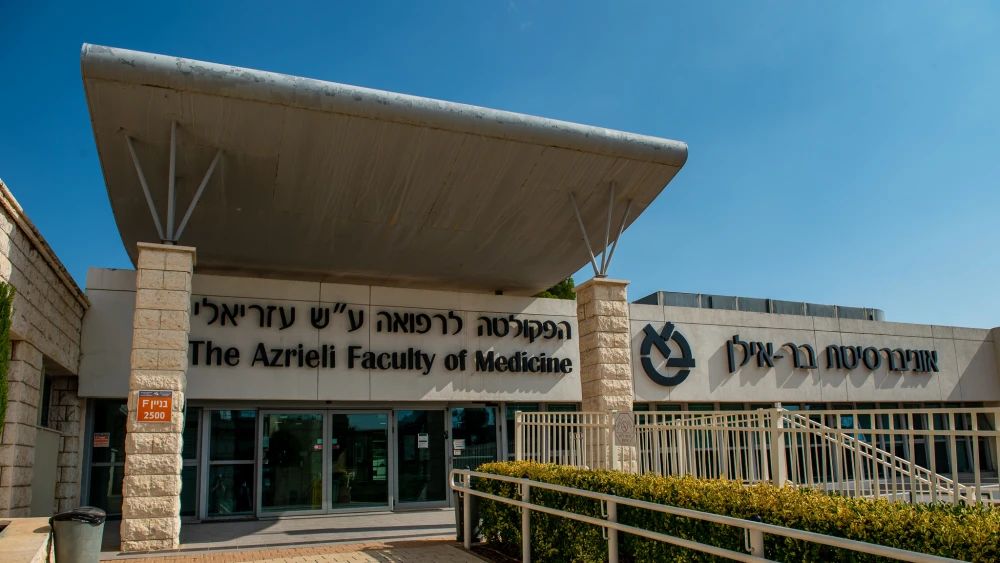
Can paying attention to an inflamed area of the body affect how quickly the inflammation subsides? A new Israeli study suggests it may.
Researchers at Bar-Ilan University’s Azrieli Faculty of Medicine found evidence that directed attention can influence the body’s inflammatory response. When volunteers deliberately focused on sensations arising from a small area of inflammation, the inflammatory response was measurably smaller and returned to baseline more quickly than when their attention was directed elsewhere.

The study was led by Dr. Nofar Mizrachi in the laboratory of Dr. Liron Rozenkrantz, in collaboration with clinical immunologist Prof. Menachem Rottem. Fifty-seven healthy volunteers participated in three preregistered experiments.
Researchers induced a small, temporary inflammatory response in participants’ skin using a standardized procedure. Participants were then instructed either to focus on sensations coming from the affected area or to direct their attention away from it.
Over the following 20 minutes, the researchers measured the inflammatory response, along with physiological indicators including heart-rate variability, skin temperature and activity of the autonomic nervous system, which regulates involuntary bodily functions.
About 90% of participants showed a reduced inflammatory response when they focused on the affected area. The response was approximately 1.5 times smaller than when their attention was directed elsewhere. The difference appeared within minutes, and the inflammation returned to baseline more quickly when participants focused on the affected area.
“What was particularly striking was that directing attention toward the inflamed area changed not only what participants experienced, but the inflammatory response itself,” said Rozenkrantz. “This raises the possibility that our subjective experience of what is happening in the body is not only a passive process but may be actively contributing to how physiological responses are regulated.”
The researchers identified evidence for two mechanisms working together. One involved sensory signals from the inflamed tissue itself. The other involved a top-down process in which the brain continued to influence the inflammatory response even after sensory input from the area was reduced with a local anesthetic. This suggested that the effect involved more than simply perceiving sensations from the affected area.
The findings suggest that attention may influence inflammation through both signals originating in the body and processes originating in the brain. In other words, the way the brain prioritizes information coming from the body may affect how certain physical responses are regulated.
The study was limited to healthy volunteers and a controlled, short-term model of skin inflammation. The researchers cautioned that it remains unclear whether the same mechanisms apply to chronic inflammation, autoimmune diseases, wound healing or other medical conditions.
The findings could provide a basis for future research into whether attention-based techniques might have applications in conditions involving persistent inflammation, such as rheumatoid arthritis, inflammatory bowel disease or psoriasis.
However, the current study does not establish such techniques as treatments for these conditions. Further research would be needed to determine whether the findings translate to clinical settings or could help with recovery after injury or surgery, pain or itch.
The study was published in the peer-reviewed journal Nature Human Behaviour.


Get the latest updates in our WhatsApp group.







A new study by Bar-Ilan University researchers, published in Nature Human Behaviour, suggests that focusing attention on an inflamed area can reduce the body's inflammatory response. In experiments with 57 healthy volunteers, a small, temporary skin inflammation was induced. When participants concentrated on sensations from the inflamed area, the response was approximately 1.5 times smaller and subsided more quickly compared to when their attention was directed elsewhere. Dr. Liron Rozenkrantz stated, "What was particularly striking was that directing attention toward the inflamed area changed not only what participants experienced, but the inflammatory response itself." The study identified two mechanisms: sensory signals from the tissue and a top-down brain process. While the findings are limited to acute inflammation in healthy individuals, they open avenues for future research into attention-based techniques for chronic inflammatory conditions.
© All rights to the original article belong to the source. Din Online shows a headline, an excerpt and a link only. The objectivity rating is computed automatically and is an estimate only.
Discussion
No comments yet — be the first to comment.