UNESCO designates Samaria’s Sebastia, Lebanese castles as World Heritage sites over Israeli objections
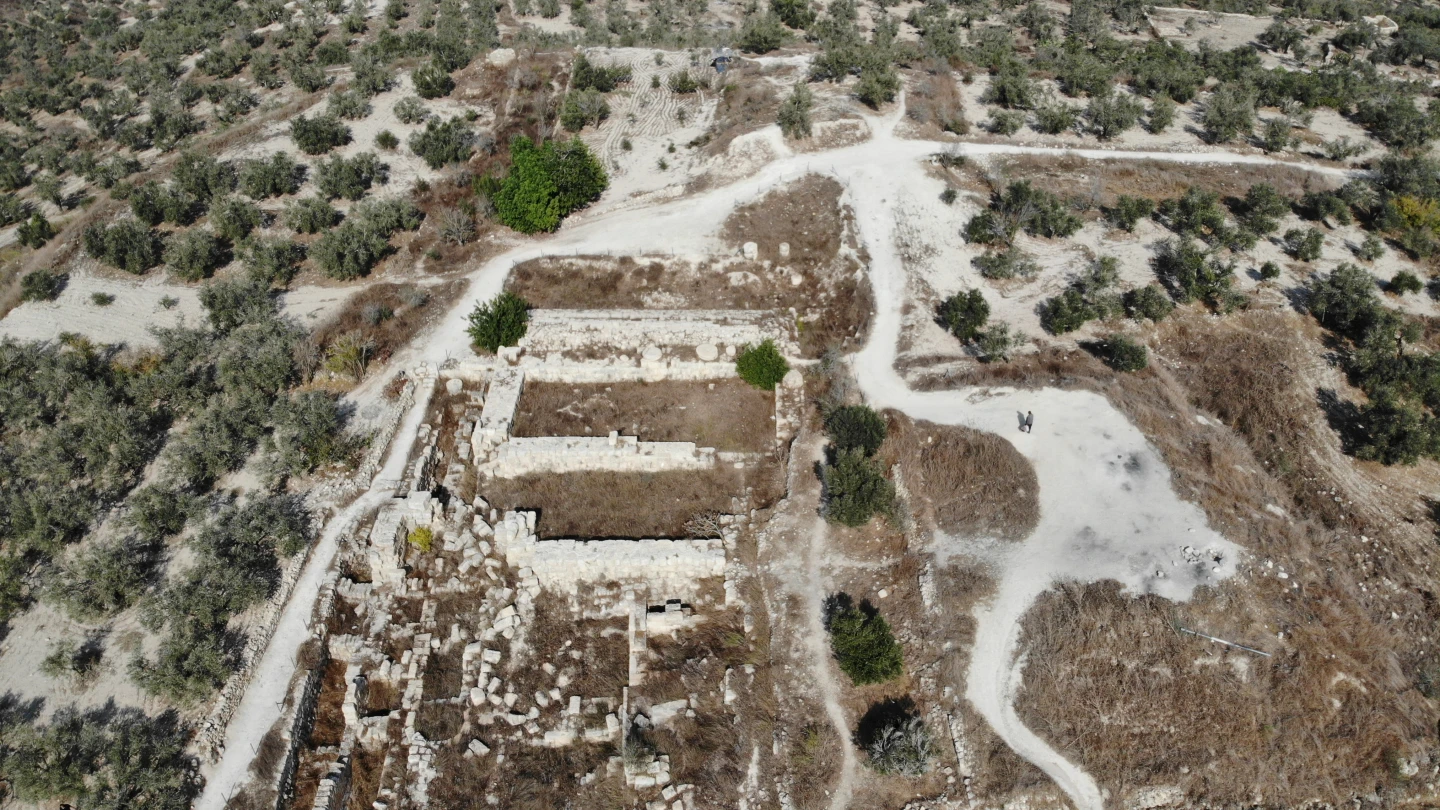
“Any discussion of Sebastia must recognize, explicitly, the ancient Jewish presence and connection to this land,” Israeli U.N. diplomat Nina Ben-Ami said. “Yet the Palestinian submission deliberately ignores this historic fact.”
UNESCO's World Heritage Committee has designated Sebastia, an archaeological site in Samaria, and five medieval castles in southern Lebanon as World Heritage sites, despite Israeli objections. Israel argued that the decision regarding Sebastia, identified as the ancient capital of the biblical Kingdom of Israel and believed by some to contain John the Baptist's tomb, was politically motivated and ignored the ancient Jewish presence. Israeli diplomat Nina Ben-Ami stated, "Any discussion of Sebastia must recognize, explicitly, the ancient Jewish presence and connection to this land. Yet the Palestinian submission deliberately ignores this historic fact." Israel also objected to the inclusion of Lebanon's Beaufort Castle, citing its alleged use by Hezbollah. UNESCO maintains that all nominations are examined based on consistent criteria and technical requirements, and that it does not take positions on political disputes.
The summary and context on this page were written by the Din Online desk based on the original article; any quotes are from the source. The full article and all rights to it remain with the source. The objectivity rating is computed automatically and is an estimate only.
Discussion
No comments yet — be the first to comment.